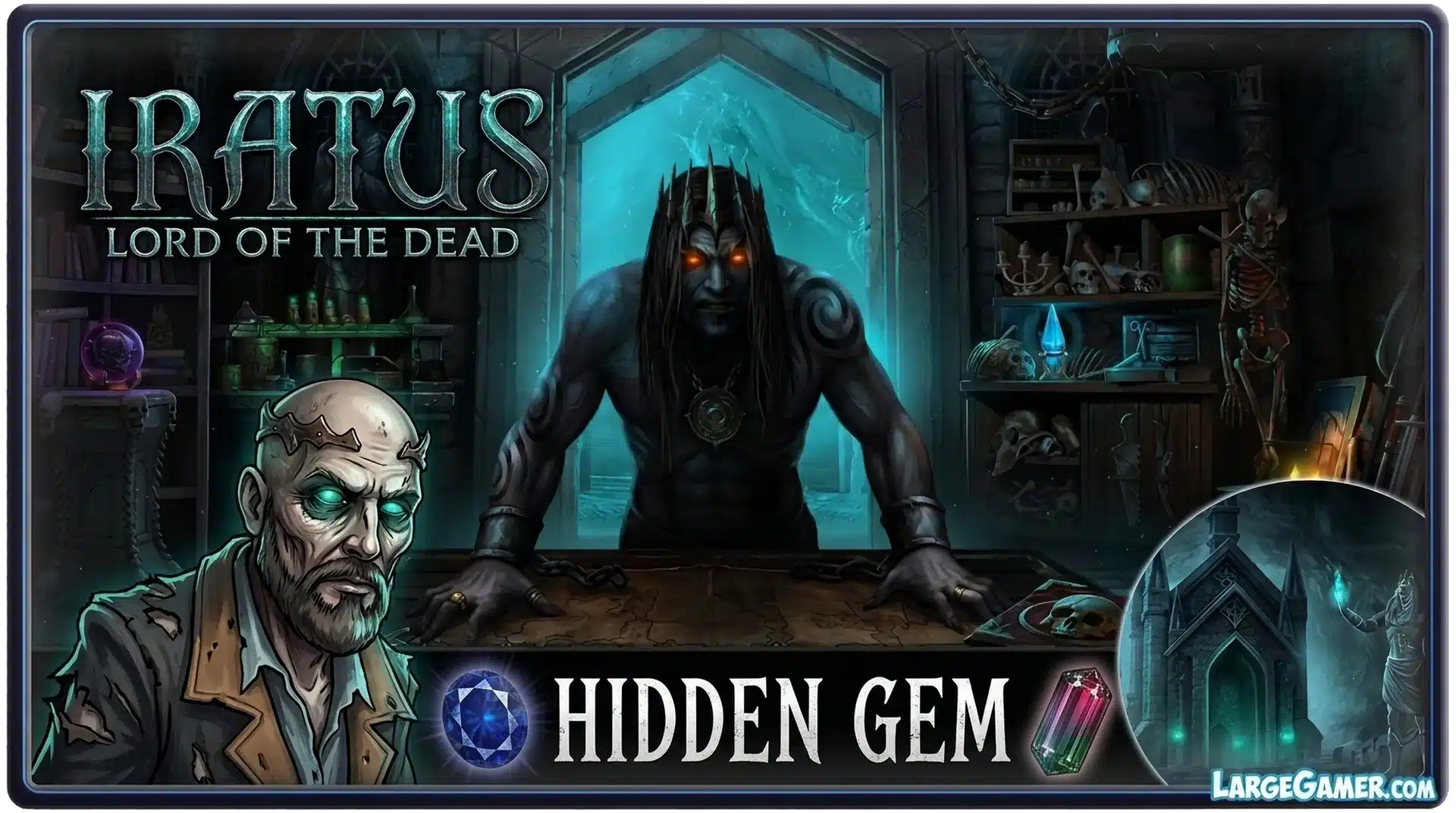
Iratus: Lord of the Dead, released on Steam on April 23, 2020 after nine months in Early Access
— a hardcore roguelike where you play the necromancer.
Think Darkest Dungeon's evil twin: same brutal turn-based combat, same party positioning, except this time you're the thing waiting at the bottom of the dungeon. This page is part review, part survival guide.

↑ We Dug Into It ↑
Read the Verdict
Just Another Game Where You Play the Bad Guy
Admit it. There are so many games where you have to confront and defeat the forces of evil, that when you finally get to take the other side of the coin… you take it. 😈
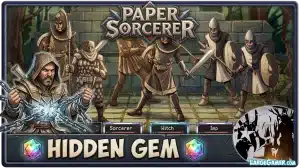
The premise of Iratus is actually very close — though different in approach and design — to another independent game few people know: Paper Sorcerer. In Iratus you're a necromancer trying to break free from the tomb where the forces of good buried you. In Paper Sorcerer you're an evil sorcerer trying to break free from a magic book.
And here's my personal theory about this game's opening.
Iratus has been sealed underground for a thousand years. Then someone digs too deep, too greedily — and wakes him up. Humans and dwarves burrowing where they shouldn't, rousing an ancient evil from the dark...
Tell me that isn't the Balrog of Moria with a necromancy degree ? 😄
So in Paper Sorcerer your team was made of all sorts of magical evil creatures, and in Iratus your minions are mainly… undead. Of course they are, you're a necromancer 🙄
Darkest Dungeon's Evil Twin
Iratus' core gameplay descends directly from Darkest Dungeon, and the developers never pretended otherwise. RPGCodex summed it up better than anyone: "Darkest Dungeon meets Dungeon Keeper"
— the combat system of the first, the sardonic tone of the second.
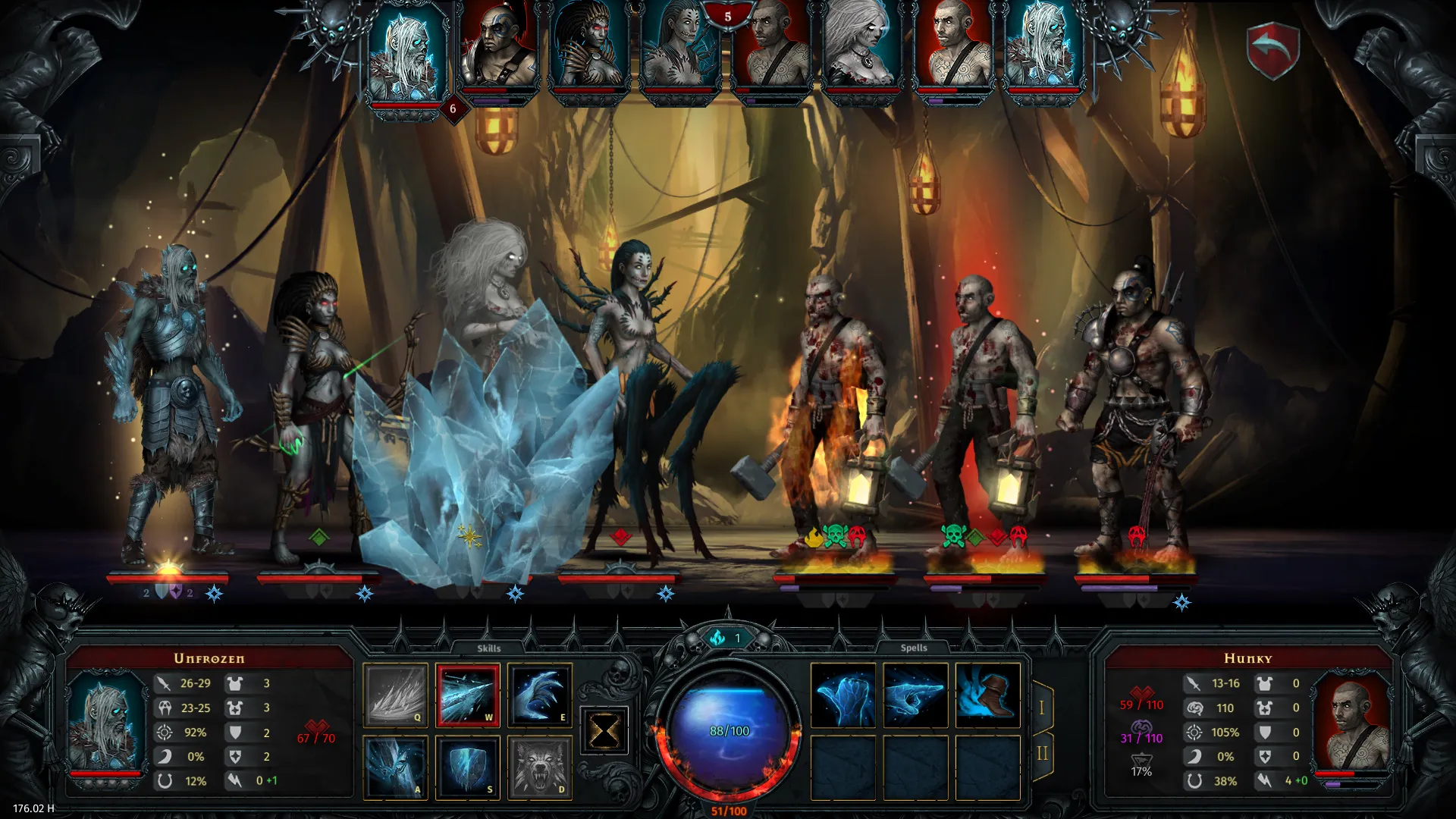
You get the same four-slot party where positioning determines everything: which attacks you can use, what range you cover, what damage type you deal. Move a unit one slot and half its abilities become unusable.
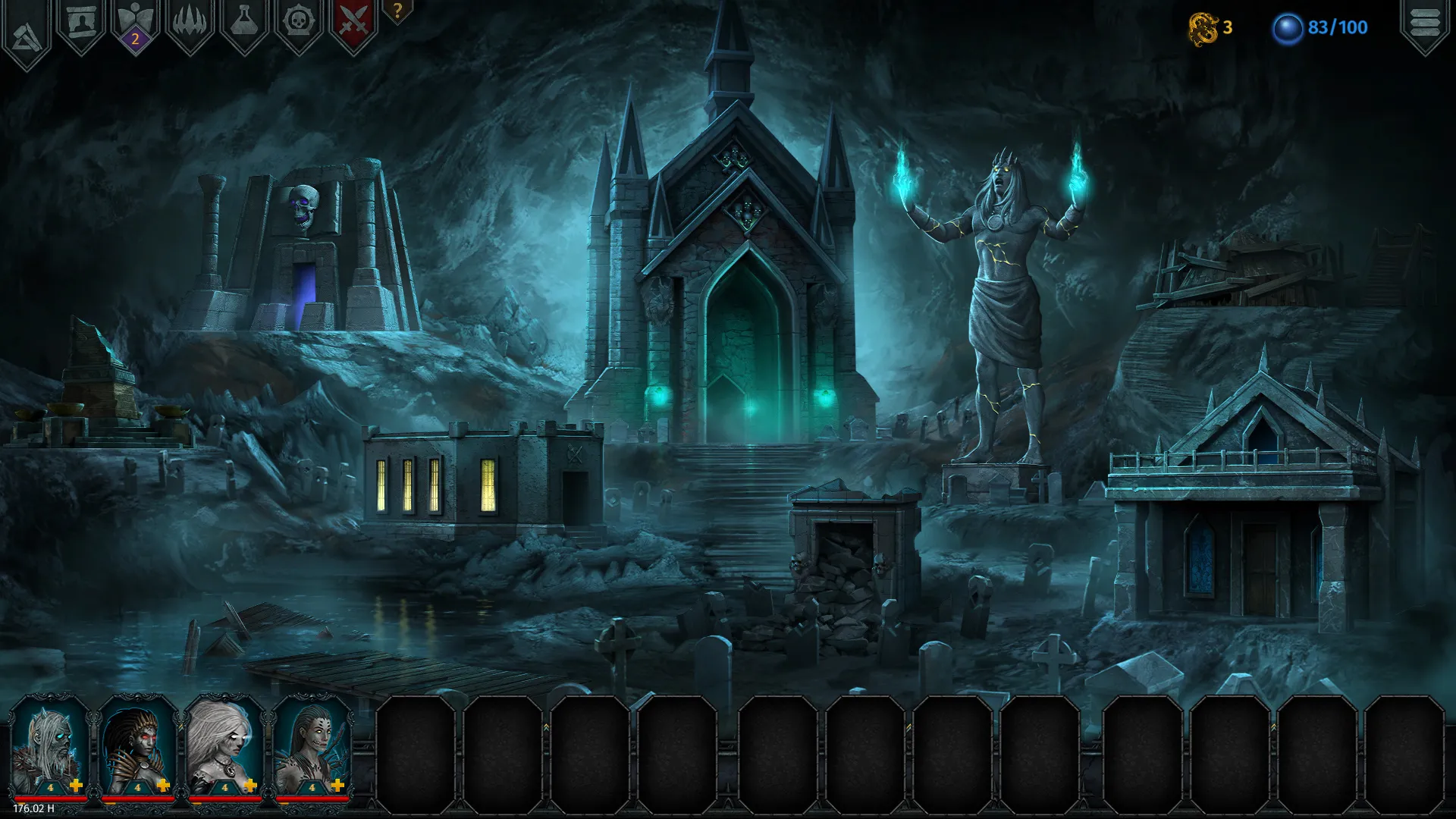
Your lair, buried deep beneath the world. Somebody really shouldn't have dug this far down.
But here's the mechanic that makes Iratus its own thing...
And I completely failed to mention it the first time around: you build your undead out of the corpses of the people you kill. Bones, hearts, entrails, assorted bloody pieces — you harvest them from the living. You cannot summon a skeleton out of thin air. Every minion in your army used to be someone who came down here to stop you.
If you don't know what a roguelike is, the term comes from a very old game — nearly as old as me — called Rogue, one of the first dungeon crawlers, where the loop was:
- Explore a room
- Kill the monsters
- Loot the treasure
- Repeat step 1 🙂
Permadeath has been in the genre since 1980.
What Darkest Dungeon popularised — and what Iratus inherits — is something more specific: treating your heroes as a consumable resource in a management game. You don't get attached. You recruit, you deploy, you lose, you rebuild. Iratus simply makes that honest by putting you on the side that was always doing the consuming.
And when a game is described as "hardcore", it means it will be hard. Very hard. One mistake and the game will genuinely punish you. So if you're a fan of Animal Crossing, you're definitely on the wrong page 😜
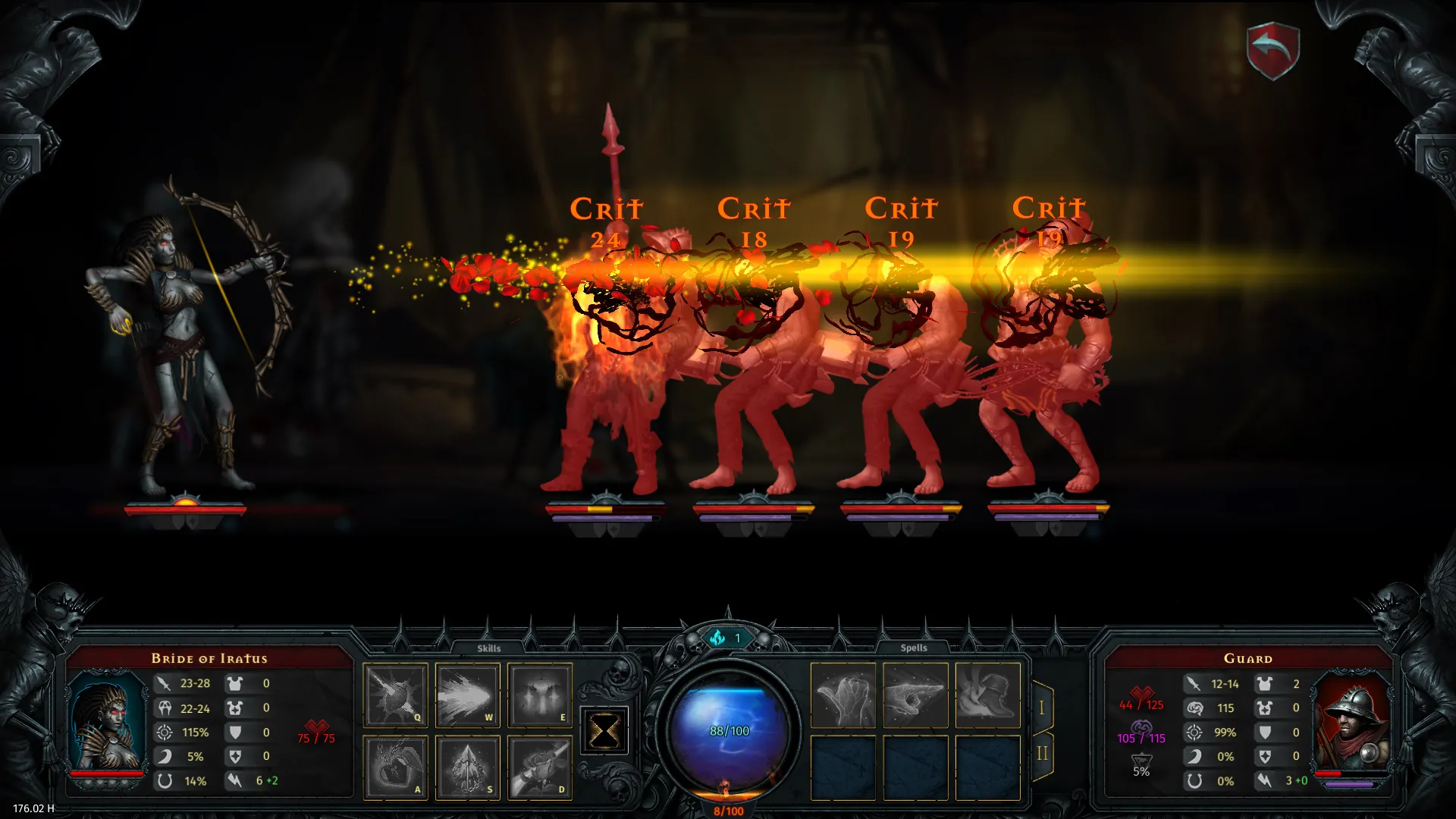
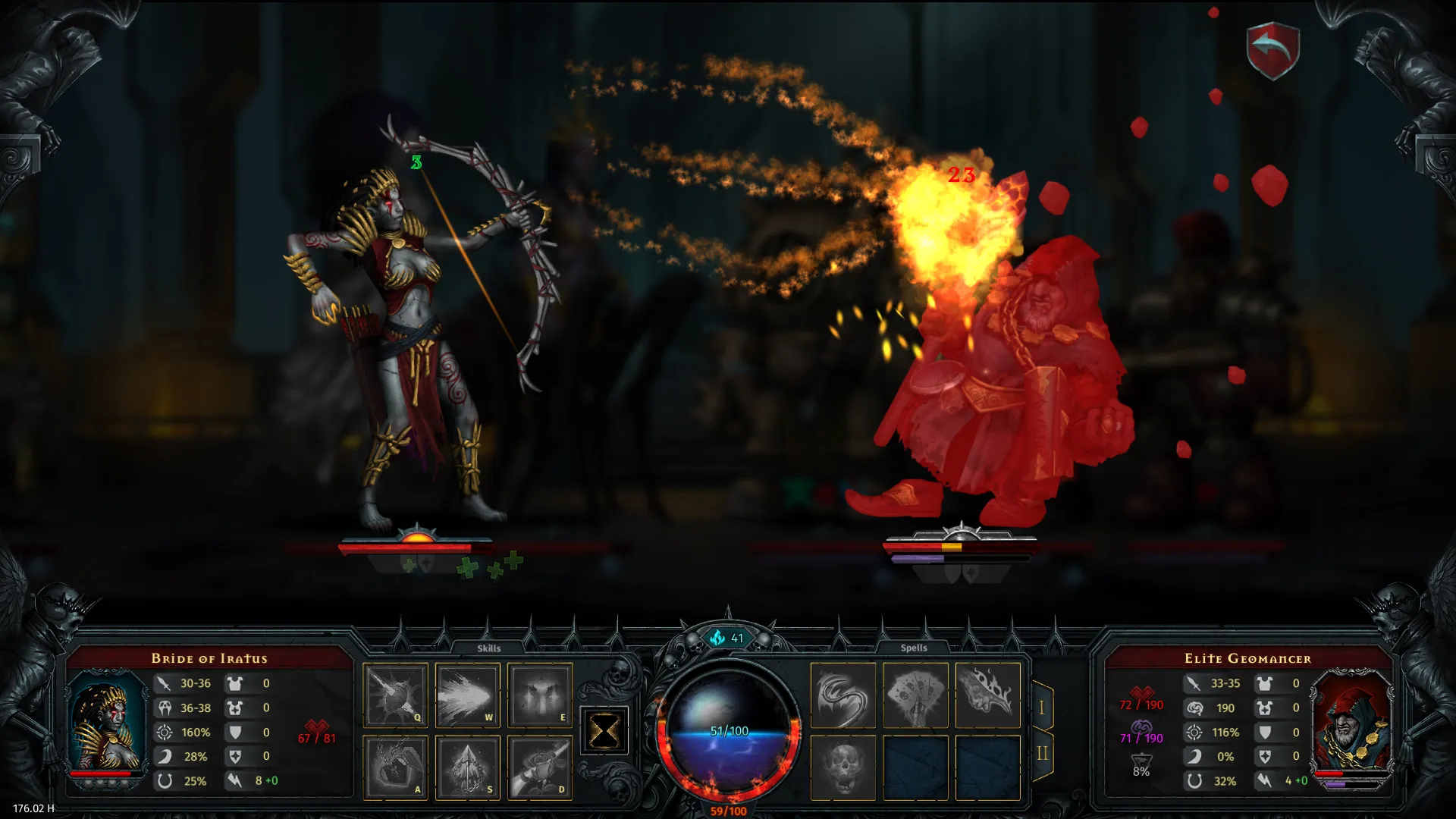
Four slots per side, and position decides everything. Move one unit and half your abilities go dark.
Unlocking the Difficulties
There are four difficulty levels in Iratus, and their real names tell you everything about the tone of this game:
- Cakewalk — the tutorial difficulty
- More Pain — the standard one
- Good Always Wins — the hard one
- Eternal Harvest — with levels 1 to 5, effectively the NG+ ladder of Dark Souls
By default they're all locked. You must start at the first and clear the "tutorial" portion before Normal even becomes available. And I do strongly advise finishing that tutorial on Cakewalk, because it genuinely teaches you the basics.
The developers locked the harder difficulties deliberately — most likely to avoid a wave of negative Steam reviews from players who'd walk straight into the wall. Sensible for them. Frustrating for anyone who's been playing tactical RPGs for thirty years. If you're an RPG veteran, or simply someone who enjoys optimising a squad, Normal will bore you. You want to start on Good Always Wins! which is Hard! - Eternal Harvest Tiers are more for Tactical Experts 😉
Here's how, courtesy of Steam user Xuande, who documented it publicly. Close the game first, then find this file:
C:\Users\YourProfile\AppData\LocalLow\Unfrozen\Iratus
Open GlobalSave with Notepad or any text editor, and edit this line:
"tutorialDone":true,"maxFinishedDifficulty":4
Save, then launch the game. It now believes you've completed the tutorial and unlocked the difficulty ladder. (Some sources use 5 rather than 4 to open the full Eternal Harvest range — try 4 first, it's the documented value.)
And there's a real gameplay reason to do this, not just pride: several units are only available from Hard difficulty onwards. If you play on Normal, you're not just having an easier time — you're playing with an incomplete roster.
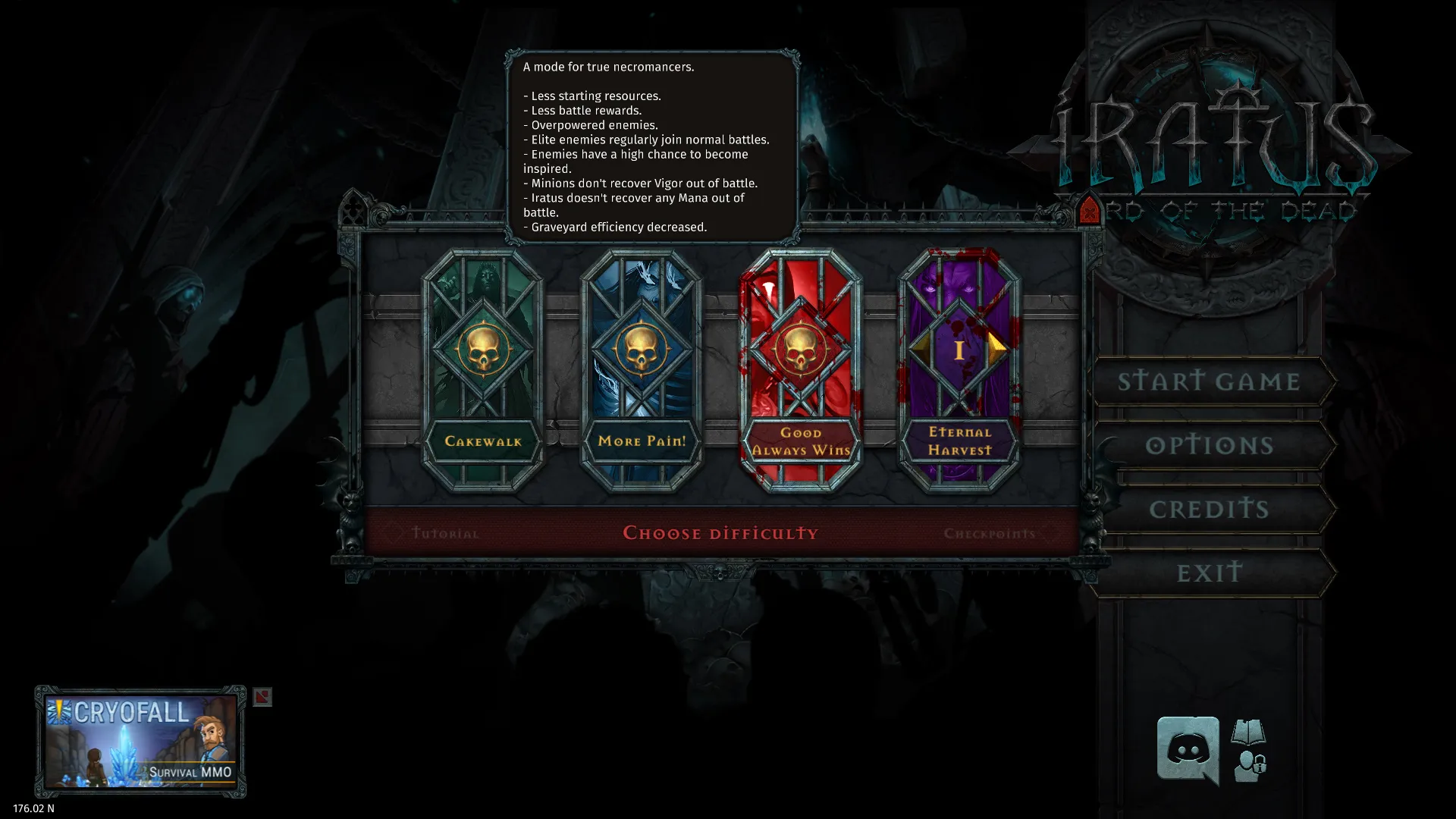
Cakewalk, More Pain, Good Always Wins, Eternal Harvest. Even the difficulty names are having fun.

Customising Your Build
There's a lot of talk online about the "best builds" needed to survive the higher difficulties. Here's mine, and it's not one of the optimised ones you'll find on forums.
I played Good Always Wins with:
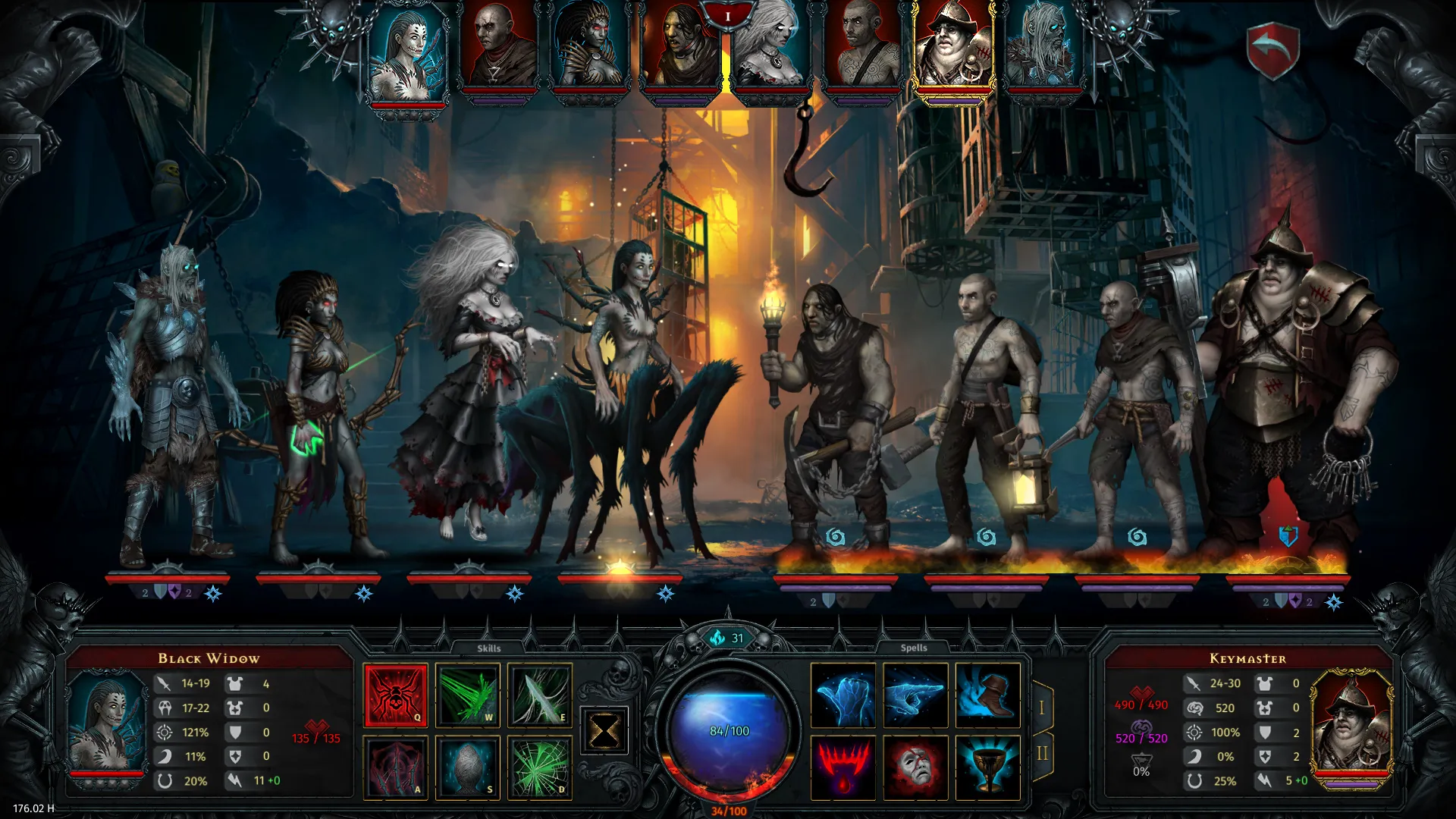
(position 4) The Unfrozen — (pos 3) Bride of Iratus — (pos 2) Banshee — (pos 1) Black Widow
I'm not a strategist. But I am an RPG veteran — I started playing role-playing games thirty years ago — and I know a bit about squad management from being a Clash Royale obsessive on mobile.
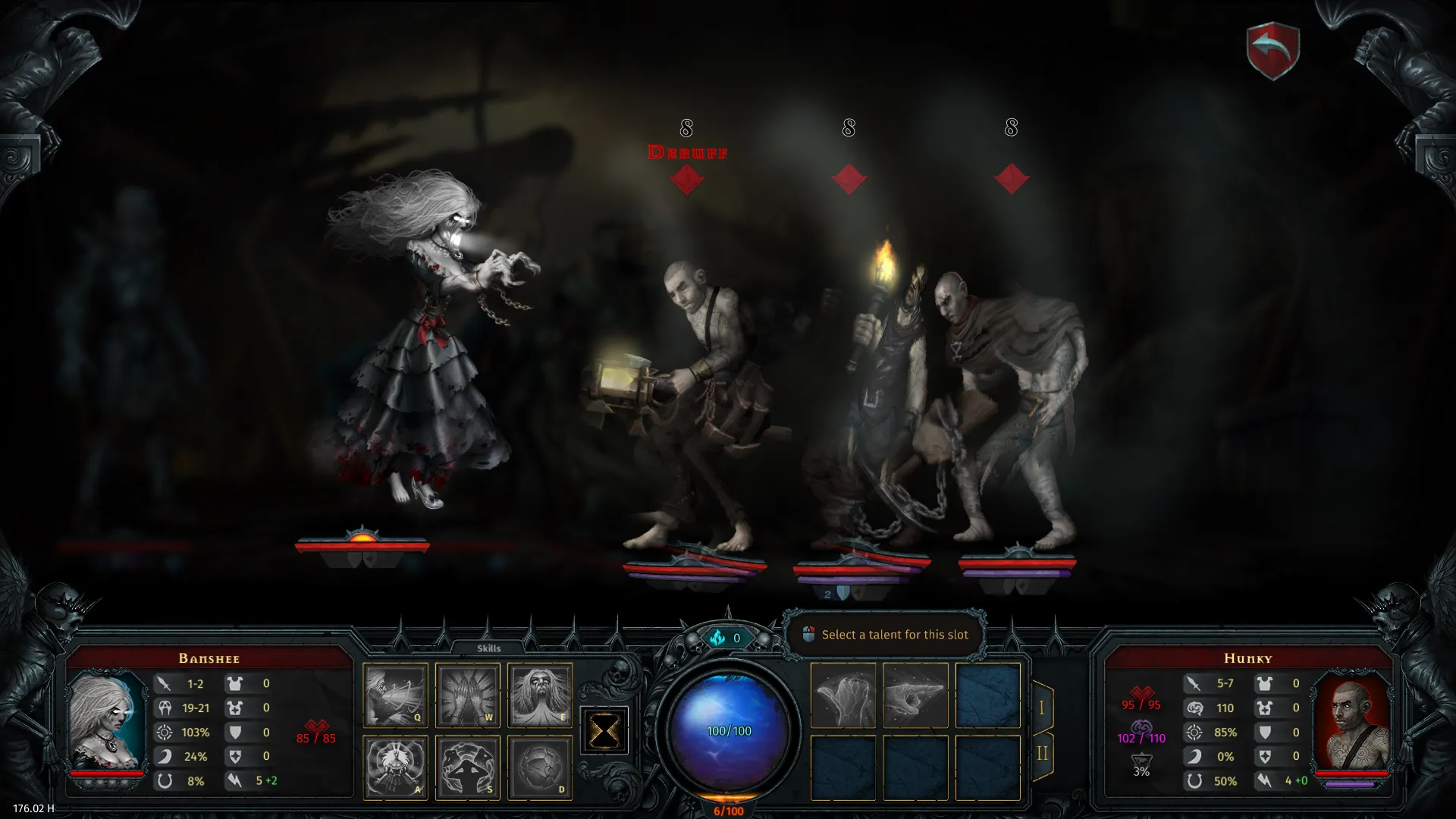
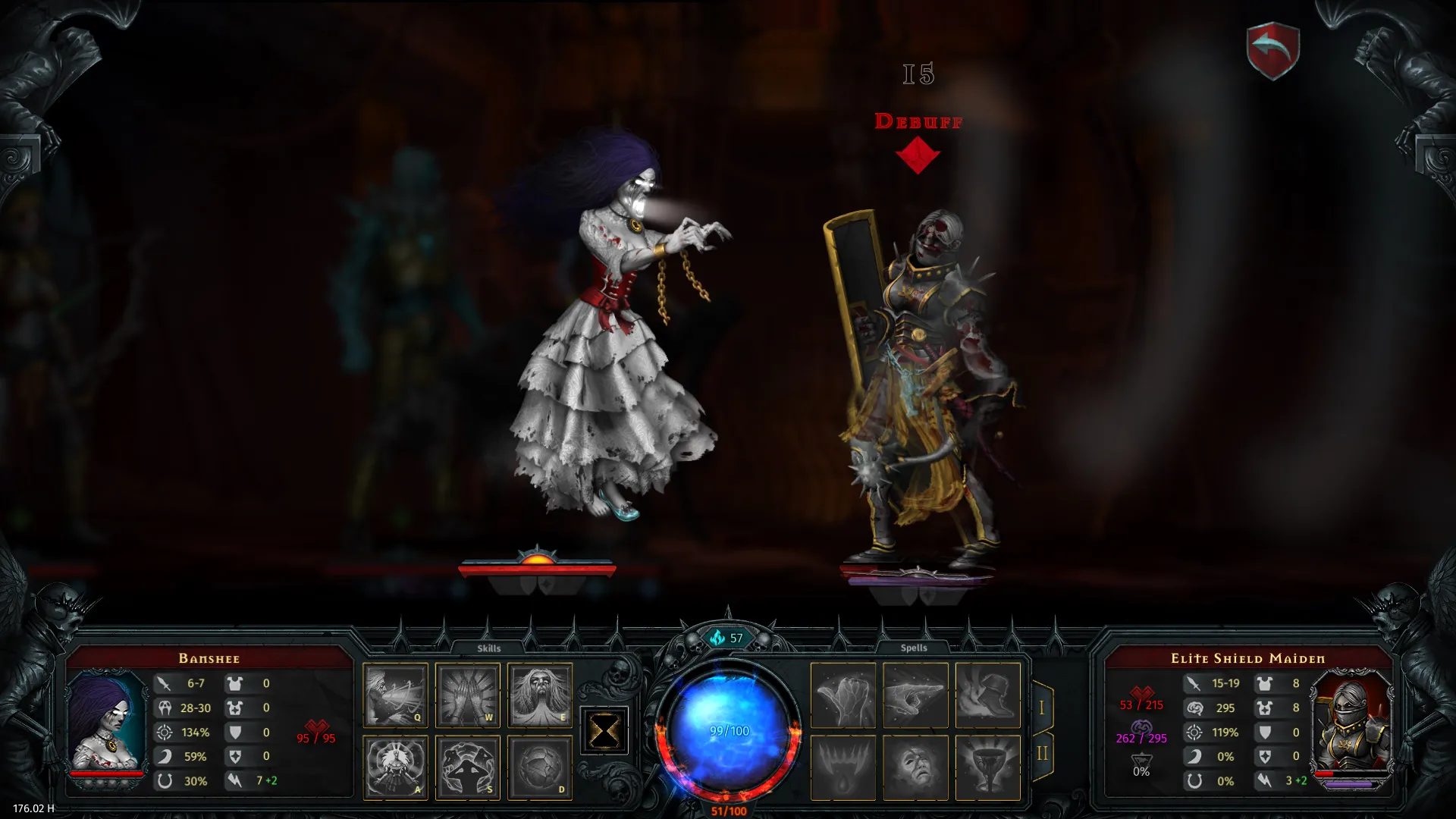
The Banshee is a great asset to Debuff and Scare the shit out of your enemies! Debuffing is important!
There are 5 dungeons in Iratus, five levels to break through to reach the surface. Here's how they actually went:
- The first had some tricky fights, but nothing insurmountable
- The second had some tough motherfuckers (dwarves are always tough 😑)
- The third started getting easier…
- The fourth was easier still
- The fifth was a walk in the park — until the final battle, which I had to redo three times
At the start I was worried my team wouldn't get far, because it wasn't one of those perfect builds you see discussed everywhere. But the game turned out to be very well designed: whatever units you pick, there's a path to victory.
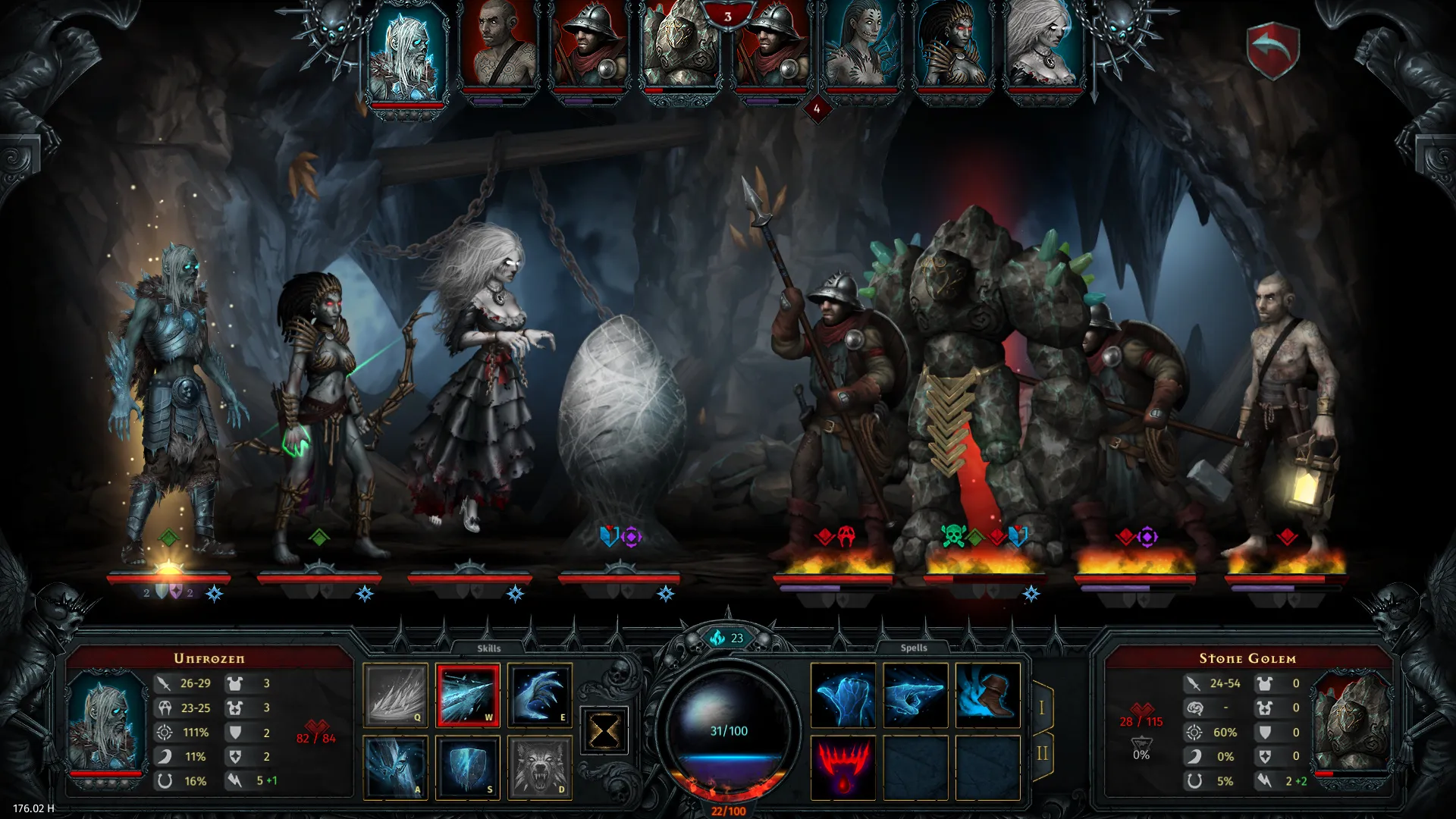
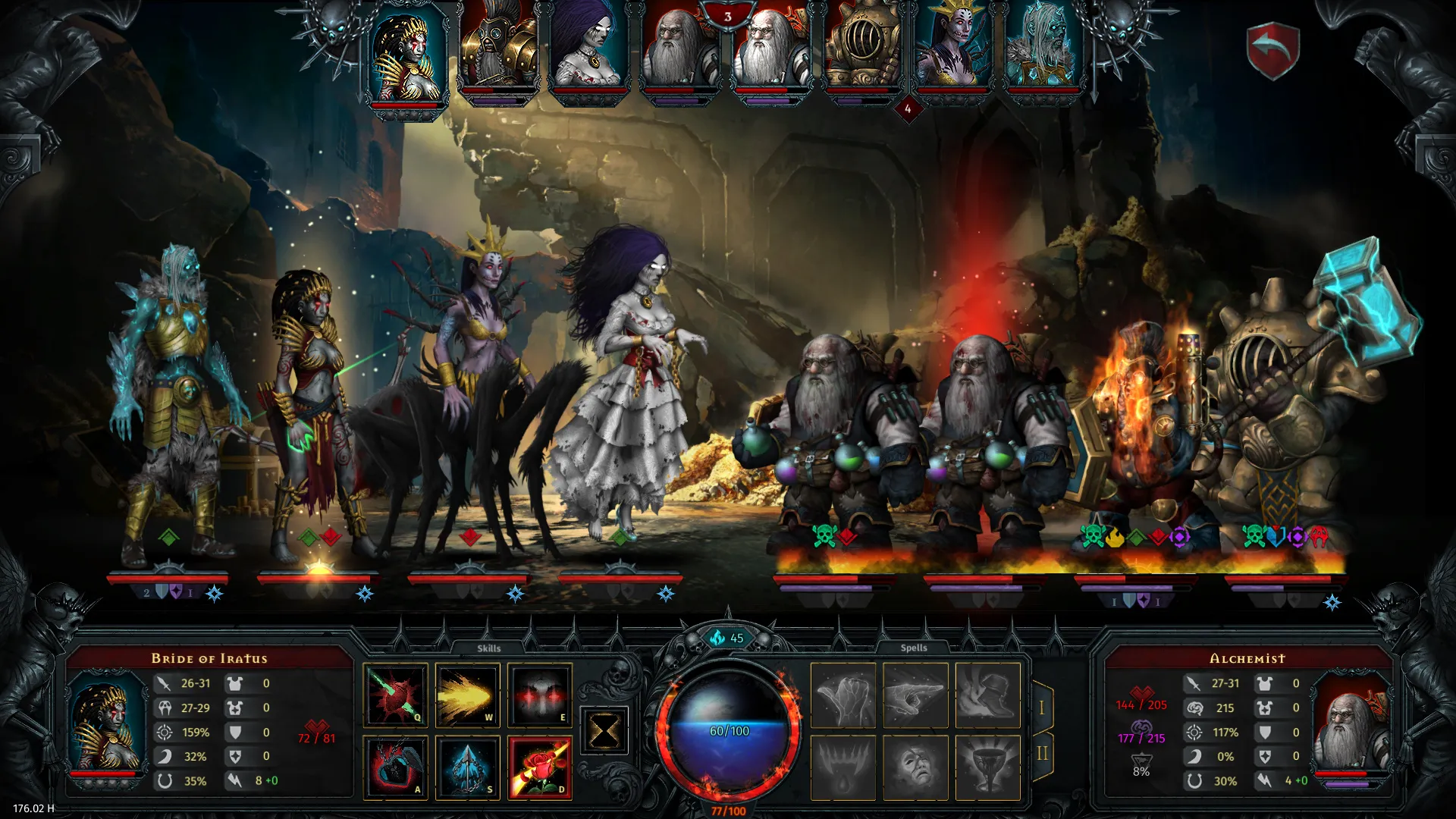
Yes the Spider Queen can protect herself in a cocoon. What a colorful roster of deadly monsters 🥰
The Save-and-Reload Trick
Iratus saves automatically, Dark Souls style — lose a run and there's no going back.
But on PC there's always a way to preserve a "state of the game".
Your savegame lives in the same place as the file above:
C:\Users\YourProfile\AppData\LocalLow\Unfrozen\Iratus
It isn't a single file — it's a folder with a random name made of letters and numbers (mine was itt7ruoi). Around 450 KB at the start of a run, roughly 4 MB by the end.
To back it up: return to the main menu, Alt+Tab to your desktop, and copy the whole folder somewhere safe.
To restore it: if your team gets wiped or you pick up a useless item, go back to the main menu, switch to the desktop, delete the save folder and paste your backup in its place. Relaunch.
Some will call that cheating. Personally, I'm the kind of guy who likes to save and reload 😉 If you'd rather earn your losses honestly, skip this section entirely — the game is absolutely built to be played that way. But if you're a Dad like me with 2 kids and already not enough time to play, you can't spend infinite time to rebuild a wiped team.
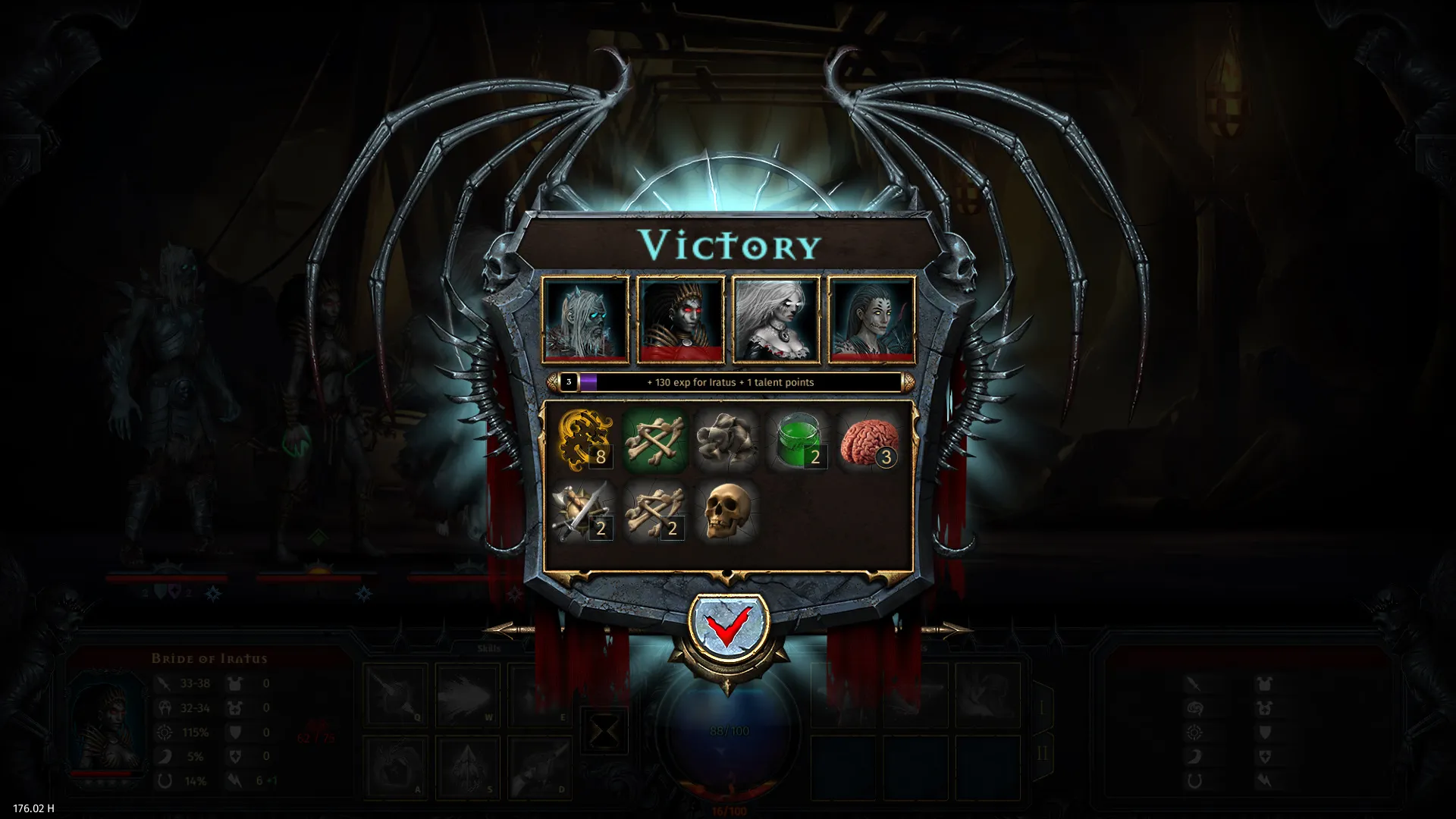
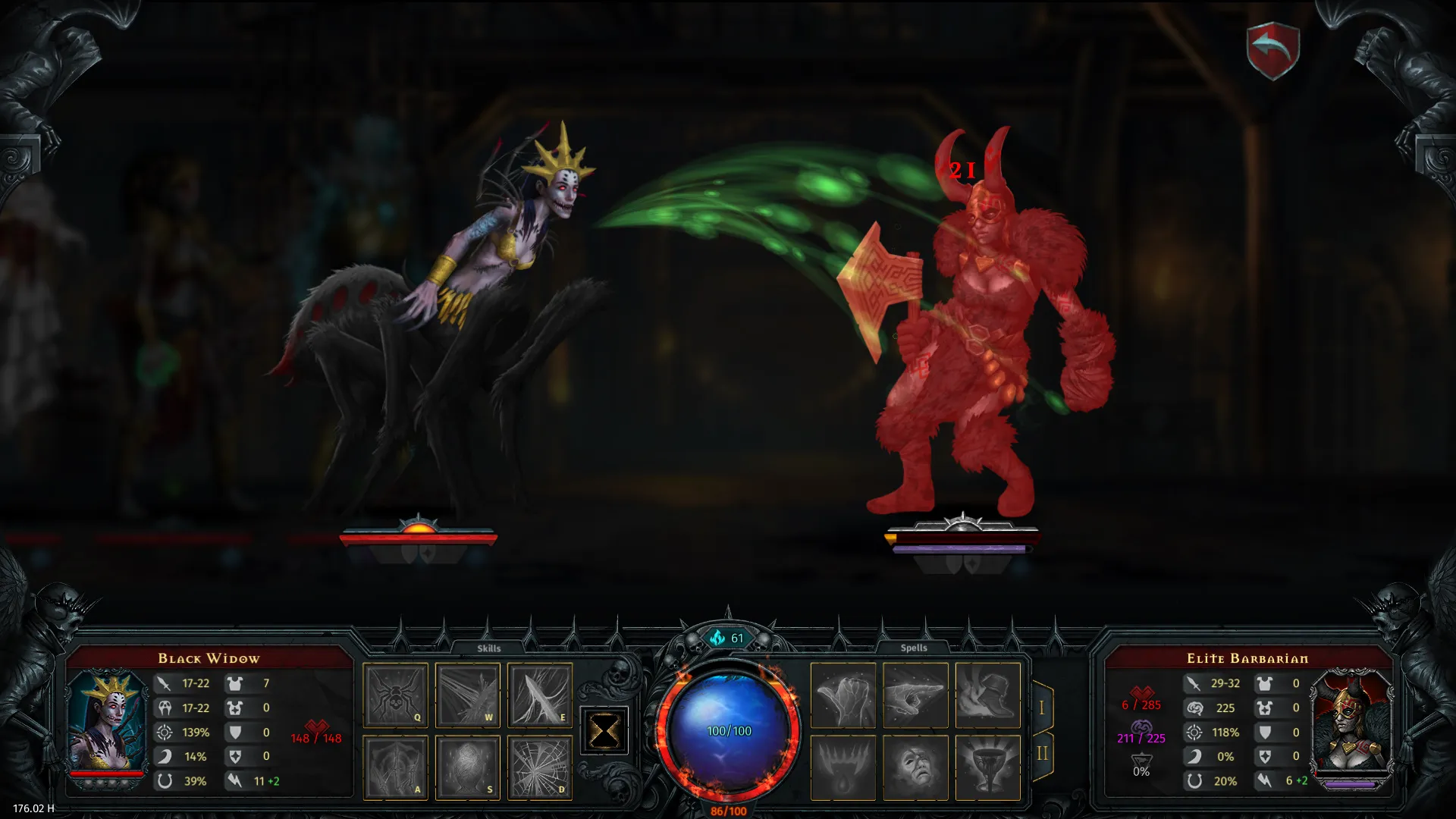
Victory, and the spoils. Every corpse here is a future member of your army

Resources: What to Build and in What Order
On Good Always Wins you will not lack resources.
You build structures using the souls of your enemies, and the right order is:
- The Library — for experience (for a hefty experience bonus after every victory, which compounds across the whole run)
- The Obelisk — for even more souls
- The Abode of Wrath — for more wrath in battle, very useful for special attacks
- The Statue — to regenerate mana between fights
Beyond those, spend as you like. The Excavation Site and the Lake hunt for parts and artefacts, but they're gambling: you can pour souls in and get nothing, or get lucky and pull out tons of gear 😉 Either way, by the end you'll have more souls than you can spend — I finished with over 500 sitting unused.
In my opinion the Mortuary and the Arena are completely useless. Maybe they earn their keep on Eternal Harvest — on Good Always Wins, they never did for me.
As for Talents: gaining experience also earns Talent points. Go for the "permanent bonus" talents first — the ones applied to all your units all the time — then move to the heavy spells like Finger of Death or Battle Eternal. And again, by the end of the game you'll have more points than useful talents to spend them on 😑
One thing worth knowing about artefacts: some of them scale across the entire run. The Spirit Spear, for instance, gives the unit that lands a killing blow a permanent damage bonus, stacking up to ten times. Those are the ones to prioritise — they turn a mid-game unit into a late-game monster. And the trick is to share this weapon between all of your undeads 😁
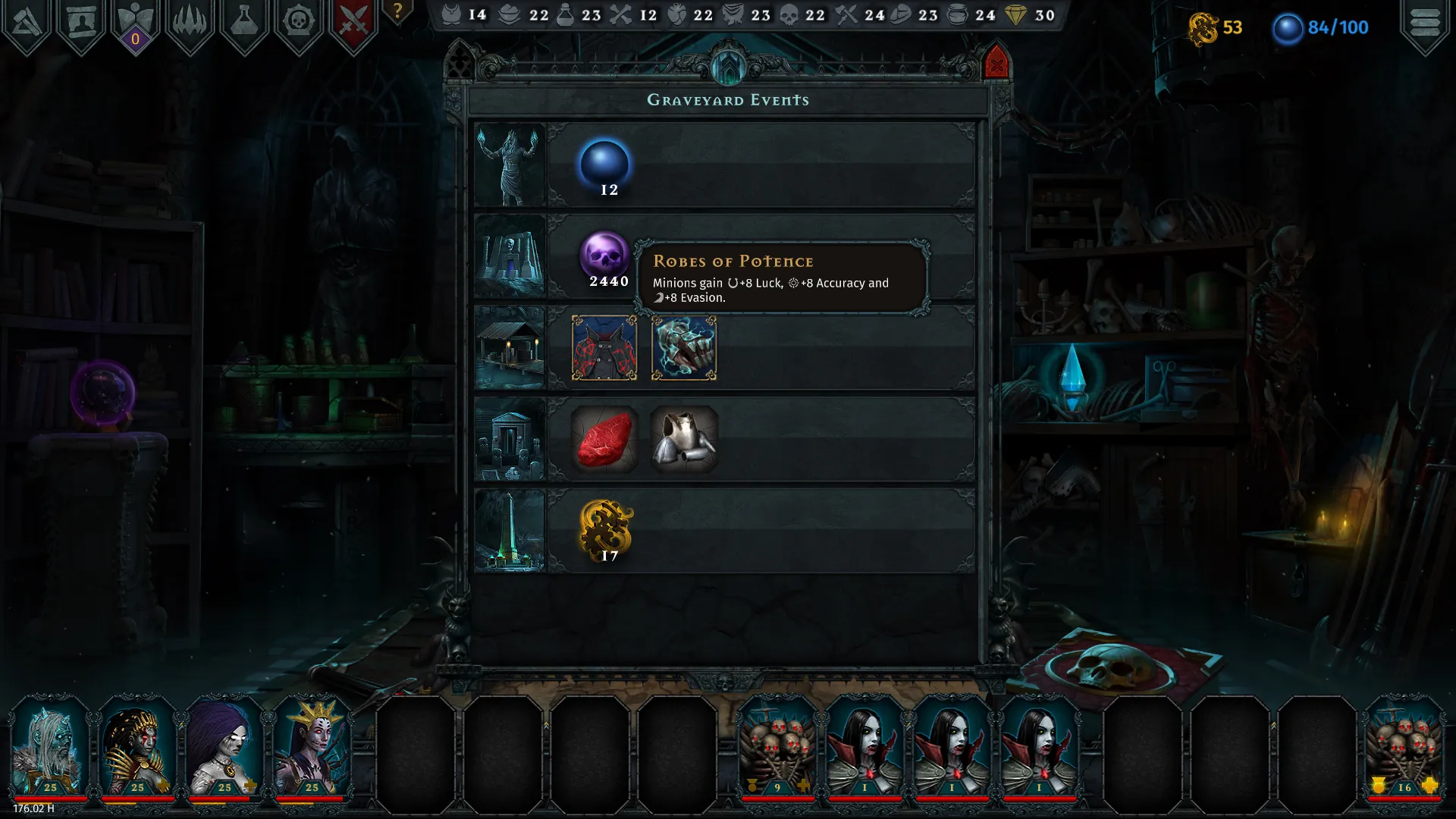
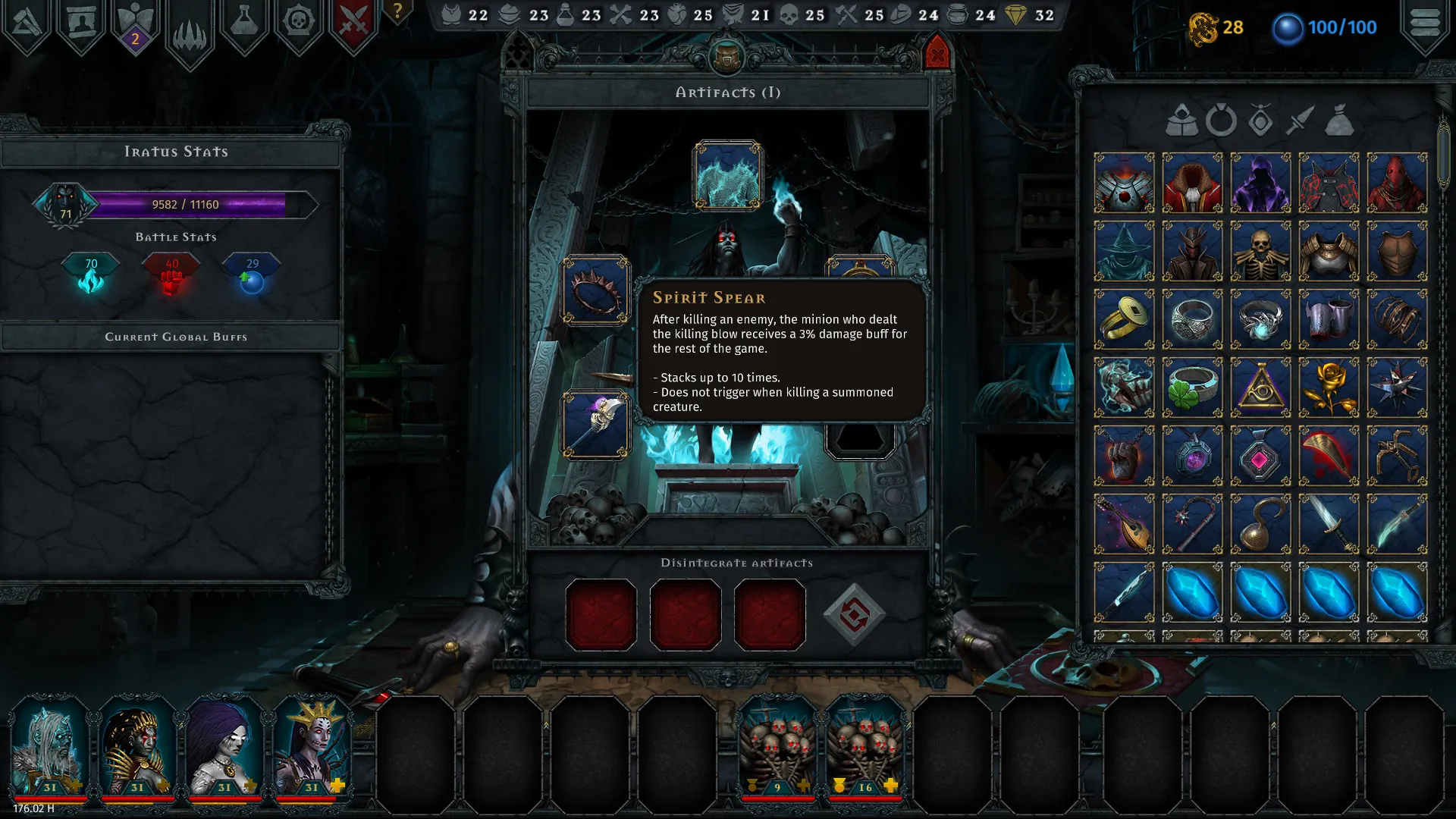
Managing the spoils of War to improve your team is essential, Relevant Skills + Good Gear = WIN
Map Rules: You Can Only Go North
Each level is procedurally generated, and there's one iron rule: You can only go North!
Even if you take a left or right turn at some point, you can never move backwards — not even slightly. This exists to stop players from clearing an entire dungeon and arriving at the boss absurdly overpowered.
Though in my case… cleared or not, I was overpowered by the end anyway 😄
When you start a new level, you can see the entire map right up to the exit — every route, and everything waiting on each one. Battles, Fountains of Vigor and magic, quests, chests full of items, altars where you can sacrifice inactive units for more gear. It's up to you to plan which path is worth the risk.
But always remember: ONLY NORTH. If a path requires even one metre of backtracking, it will be greyed out. Plan accordingly, because a wrong turn is permanent. And there is always an Easier and Harder path...
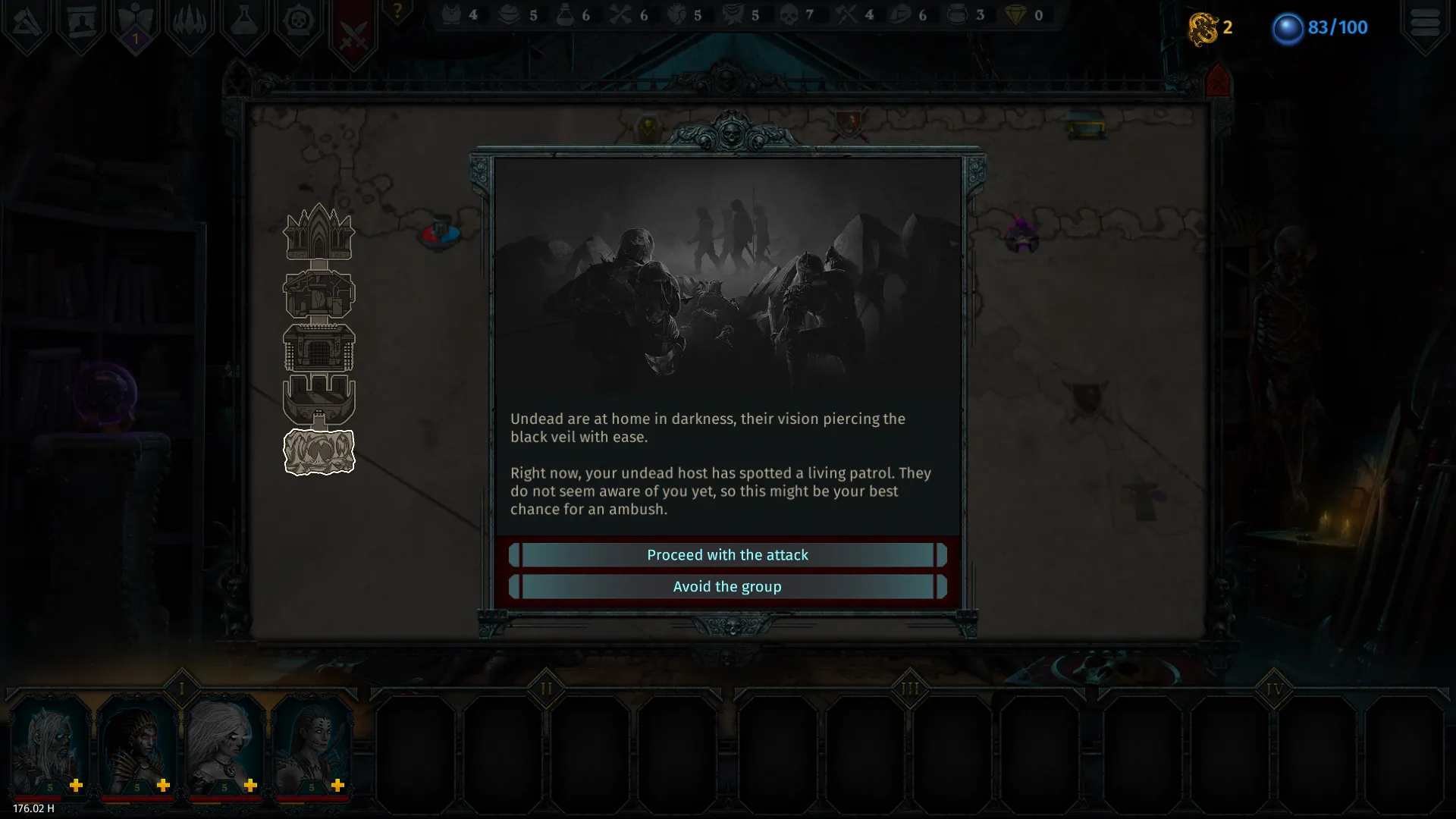
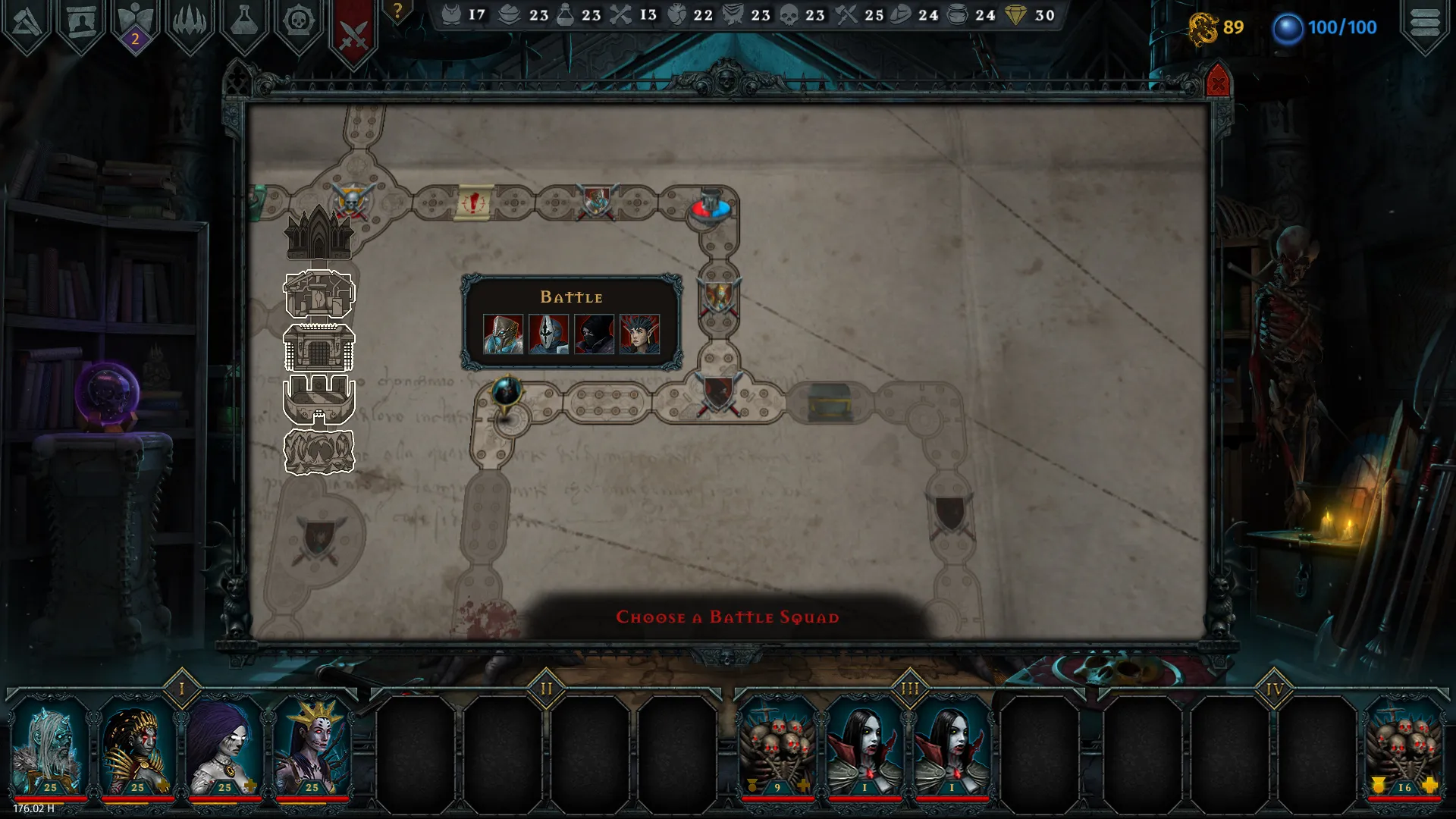
The whole map, visible from the start. Choose your route carefully — there's no going back, ever.
Last Note: I Should Have Played Harder
- It took me around 45 hours to finish the game
- On Good Always Wins, I became far too powerful by the end (okay i died twice to the last boss 😅)
- I never once used the single-use artefacts that boost your power before a fight
If i had used them, then okay even the last boss would have been crushed...
So even though the final battle was genuinely tricky, I think I should have started on Eternal Harvest 1. It would have forced me to actually use my artefacts, and to lose units from time to time. Because the only unit I lost in the entire game — and it was at the very end of the fight — was in the final battle itself. Apart from that, I never lost a single one.
In a game explicitly built around expendable minions, finishing with a full roster means I never actually played it the way it was designed. That's on me, not the game.
So: should you start on Eternal Harvest 1? I'd recommend it. Just understand that the first levels will be hard — very hard. The difficulty starts to soften once you've unlocked your first useful talents.
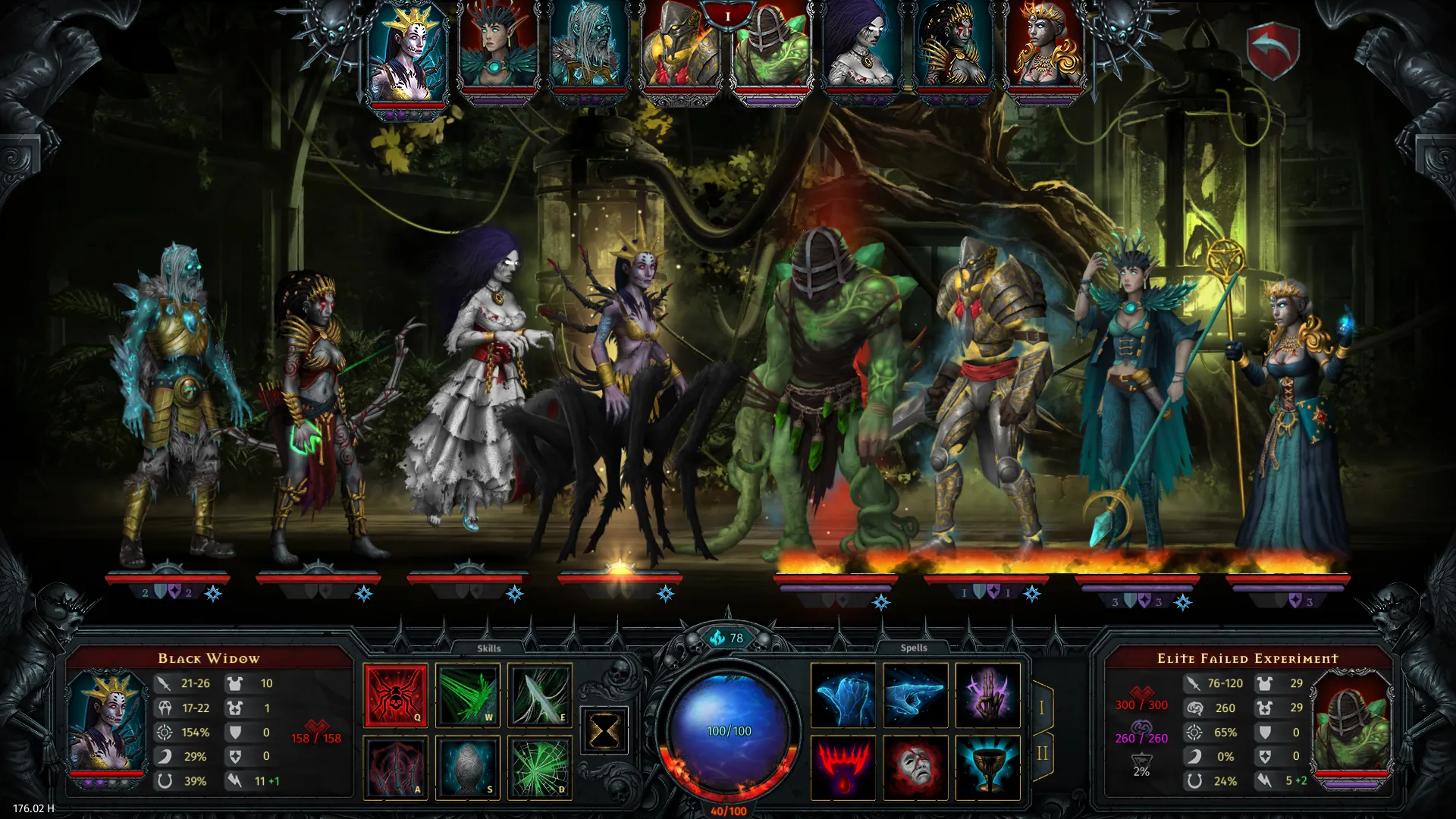
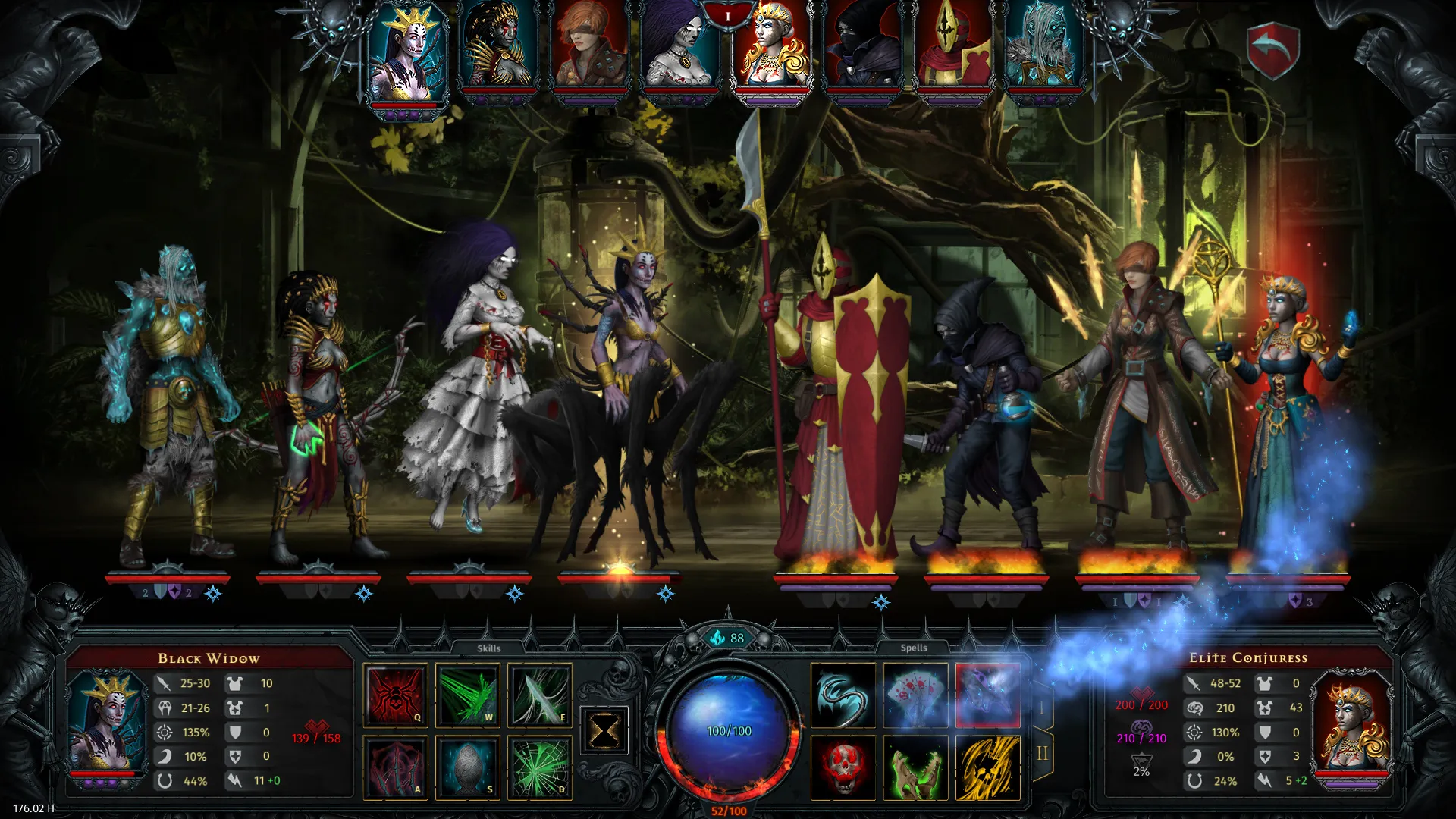
Even the latest battles with powerful lawful-good heroes, won't stop you from wreaking havoc!

From a $23,000 Kickstarter to Heroes of Might & Magic
I've written a lot of these retrospectives now. Studios that closed, publishers that collapsed, developers who quietly gave up. This one goes the other way entirely, and it's not even close.
Unfrozen were nobodies. A small Russian studio, partly made up of people who'd worked on the old Disciples games.
In May 2018 they ran a Kickstarter asking for ten thousand dollars. They raised twenty-three thousand from 586 backers. Iratus was their first game.
In 2026, Unfrozen are the studio developing Heroes of Might & Magic: Olden Era — the first canonical entry in that legendary strategy series in over a decade — published by Ubisoft and Hooded Horse.
The numbers are almost absurd next to that Kickstarter:
- Released into Early Access on April 30, 2026
- 250,000 copies sold in the first 24 hours, recouping its roughly $5.5 million development cost on day one
- Top 10 most wishlisted game on Steam before launch
- The team has grown from a handful of people to over 50
- Music by Paul Romero, the series' historic composer
- And Jon Van Caneghem himself — the man who created Heroes of Might & Magic — joined Unfrozen as creative advisor
Think about what that means for a second. Ubisoft handed one of the most sacred franchises in strategy gaming to the people who made this necromancer game. The one you can currently buy for pocket change.
Well... Peter Jackson who directed The lord of the Rings, was originally known for Gore Movies so... anything can happen! 😅
And if you want to hear where they ended up, I've got the Might & Magic 6 and Might & Magic 10 themes on my video game music page — the legacy they've now been trusted with 🎵 Well... the tactical franchise, not the RPG one...
One more thread worth pulling: Iratus was published by Daedalic Entertainment — the same Daedalic behind Blackguards, who shut down their development studio in 2023. Two of my recent digs share a publisher. One studio ended up making Heroes of Might & Magic. The other doesn't make games anymore.
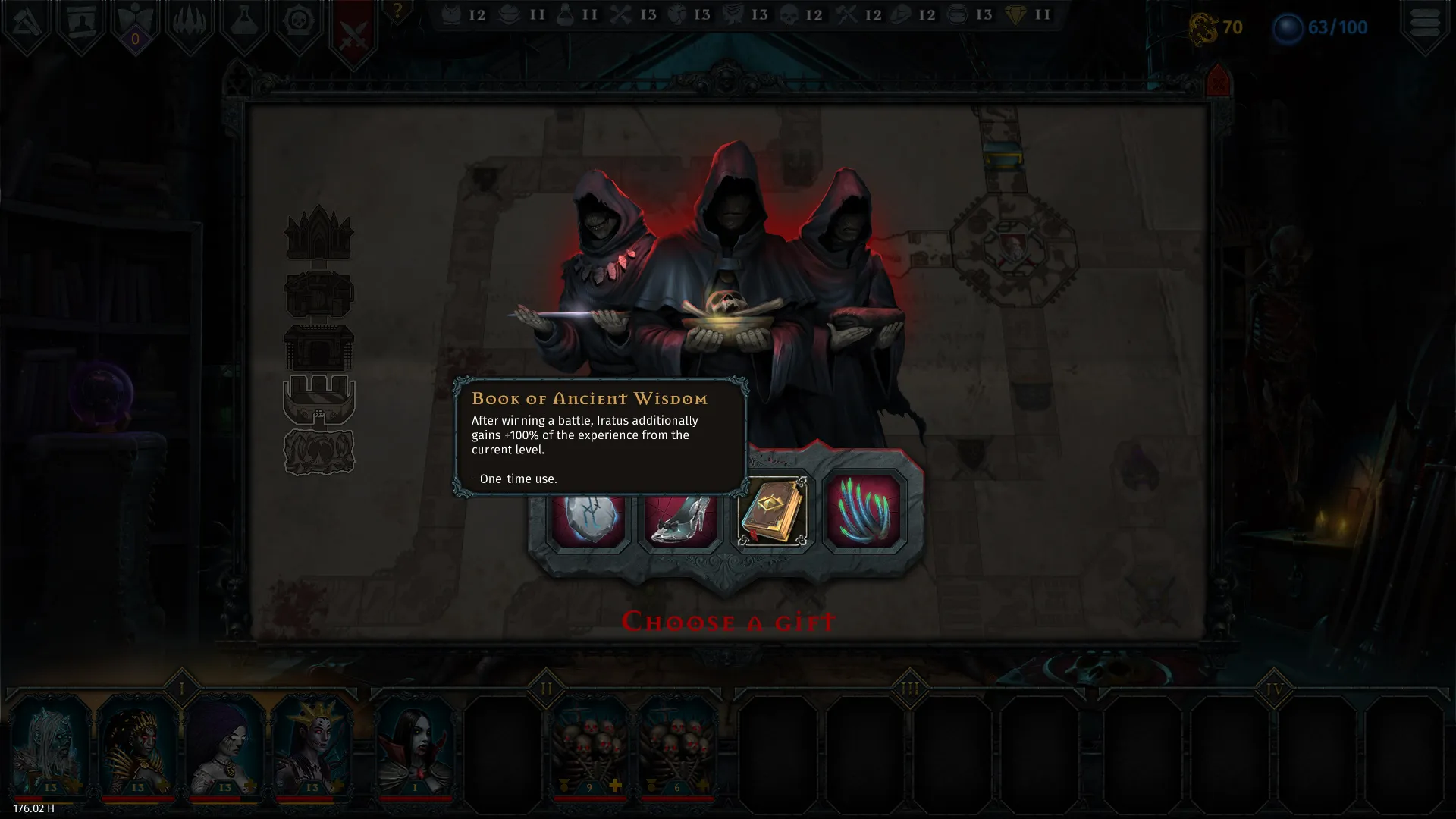
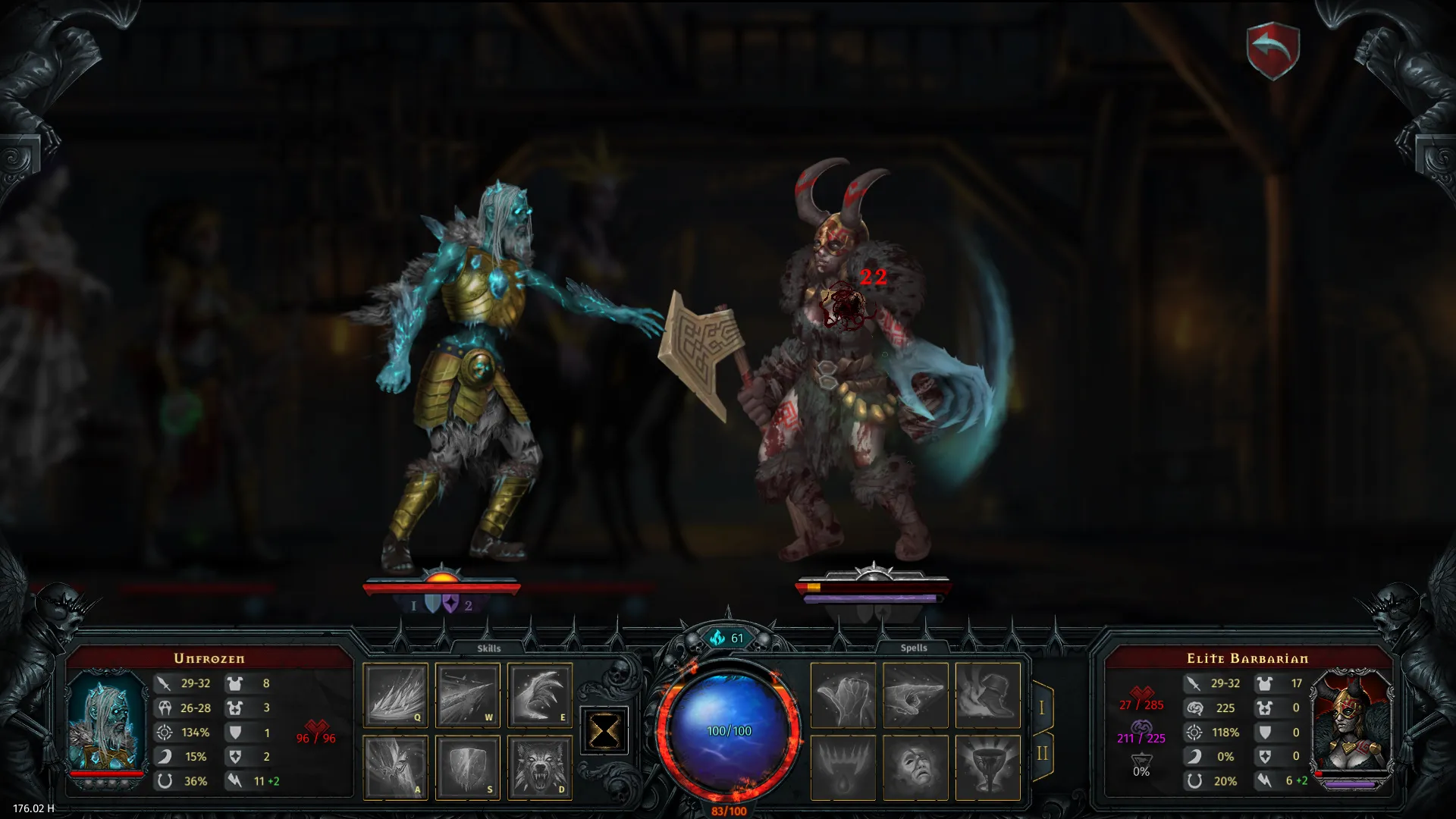
Sometimes you have to choose a reward, choose wisely! And then back to your daily carnage 😏
Think I got it wrong? Prove it.
This is one gamer's take — not gospel. Agree, disagree, or think I completely missed the point? Drop your take in the comments below.
Leave Your Verdict in the Comment below ↓
Platform: PC (Steam, GOG)
Hours spent: ~45 hours
Difficulty played: Good Always Wins (third tier)
Units lost across the whole run: exactly one
Dungeons: 5 levels between you and the surface
Publisher: Daedalic Entertainment · Developer: Unfrozen
%
Note on 100%
+ You play the villain, and the game commits to it completely
+ Building undead from harvested body parts — genuinely original
+ Any team composition can win. No mandatory meta build.
+ Lair management adds a real strategic layer between runs
+ Darkest Dungeon's combat with Dungeon Keeper's sense of humour
- The good difficulties are locked behind a forced tutorial
- Some units only unlock at Hard — playing Normal means an incomplete roster
- You end up with far more souls and talent points than you can spend
- Mortuary and Arena never justified their cost
- Difficulty curve drops off hard after the second dungeon