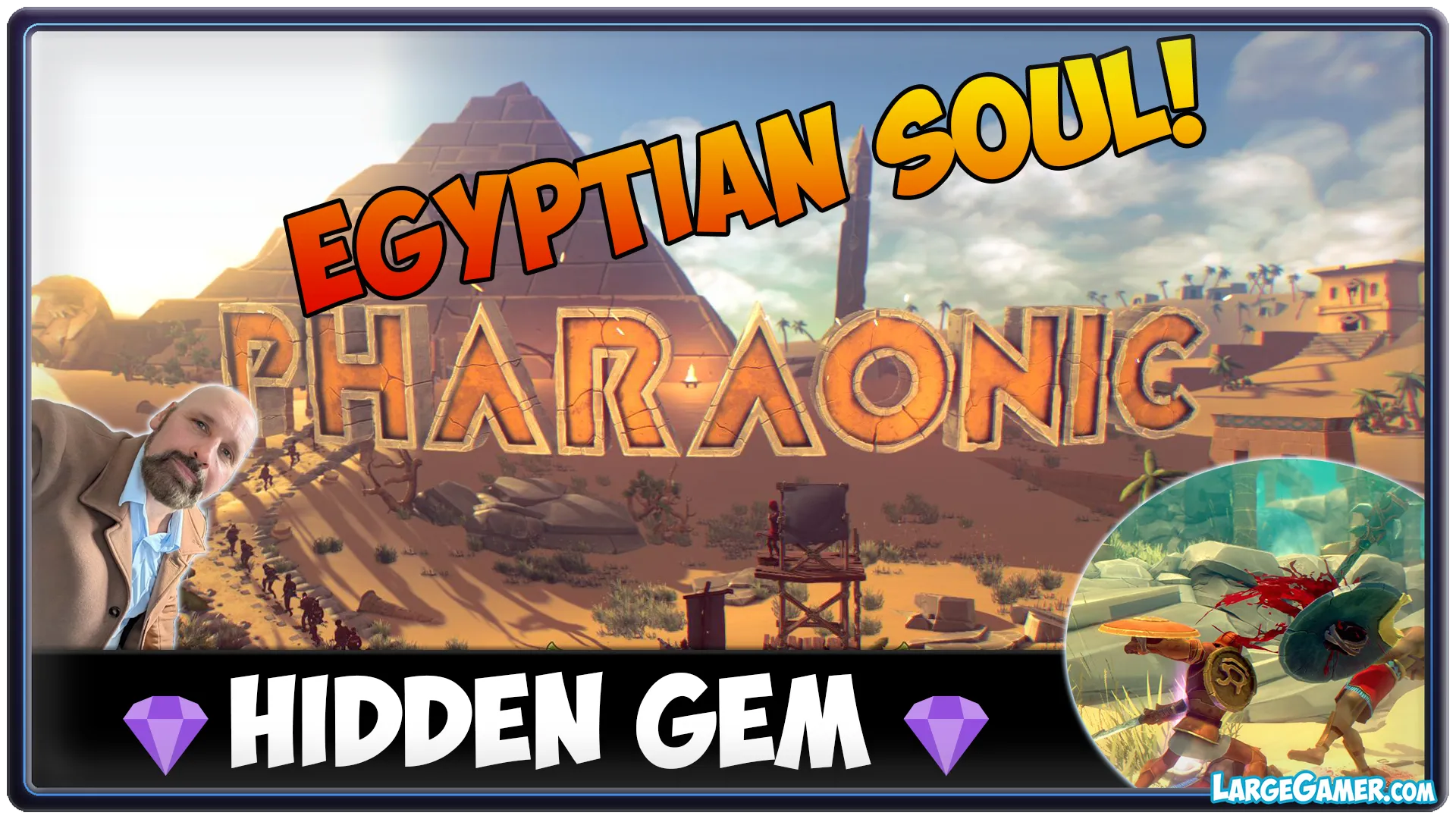
Pharaonic, released on Steam on April 28, 2016, later ported to PS4, Xbox One and Nintendo Switch
— a 2.5D Souls-like set in Ancient Egypt.
Ten years on, it remains the only Souls-like that dares to be sunlit. No gothic castles, no perpetual night — just sand, palm trees, and a tyrant called the Red Pharaoh at the top of a very long climb.

↑ We Dug Into It ↑
Read the Verdict
Dark Souls in Egypt
Pharaonic is a 2D/3D action RPG built on the Dark Souls formula and wrapped in Ancient Egyptian culture. You start at the very bottom — a cell in the slave quarters — and have to fight your way up to the Pharaoh himself.
I wrote "or herself, I don't actually remember" the first time round, having finished this game back in 2016. So for the record, ten years later: it's a he. Ahmosis I, the Red Pharaoh, and the whole game is about uncovering the truth behind him.
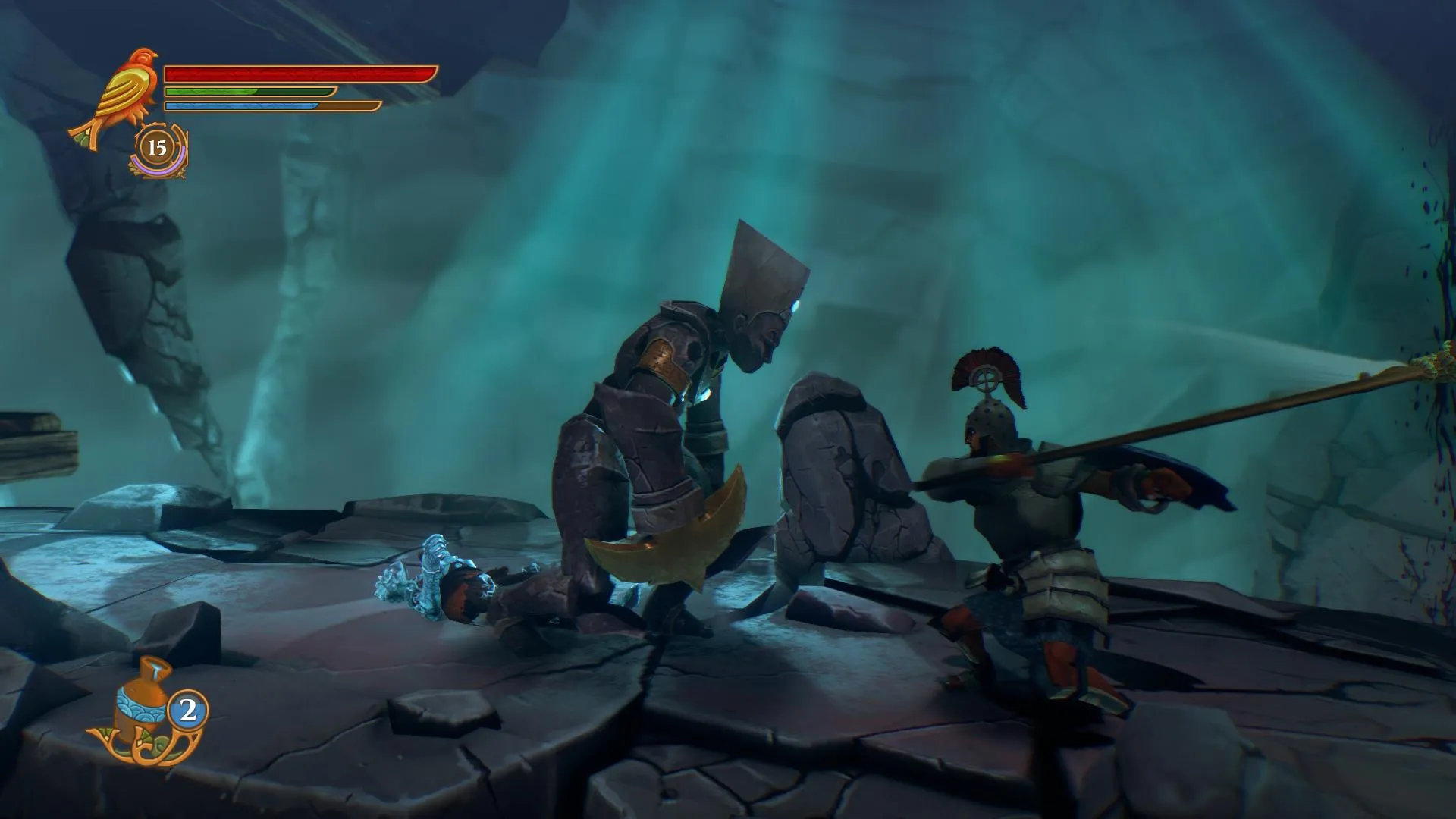
The game is built in 3D — the characters, the world around you — but the battles play out in complete 2D, like a Street Fighter, with enemies coming from either the left or the right.
And don't think that's easier than a Dark Souls where hits come at you from 360°. In Pharaonic, an enemy with a spear can hit you from behind another enemy, who is busy parrying your own attacks 😉 The flat plane doesn't simplify the fight — it stacks it.
That's exactly why the game teaches you to use the entire width of the screen.
Stand your ground on one side and you're dead. You have to roll through enemies, retreat, force the scroll backwards, cross to the other end — the horizontal plane isn't a limitation, it's the whole fucking battlefield!
There's Real History Hiding Under the Sand
Here's what I completely missed the first time:
Pharaonic isn't set in a vague "Ancient Egypt". It's set at a very specific moment.
The game takes place around 1200 BC, during the invasion of the Sea Peoples — a genuine historical event, one of archaeology's great unsolved mysteries, and one of the forces behind the collapse of the Bronze Age civilisations.
And once you know that, two things in the game suddenly make sense...
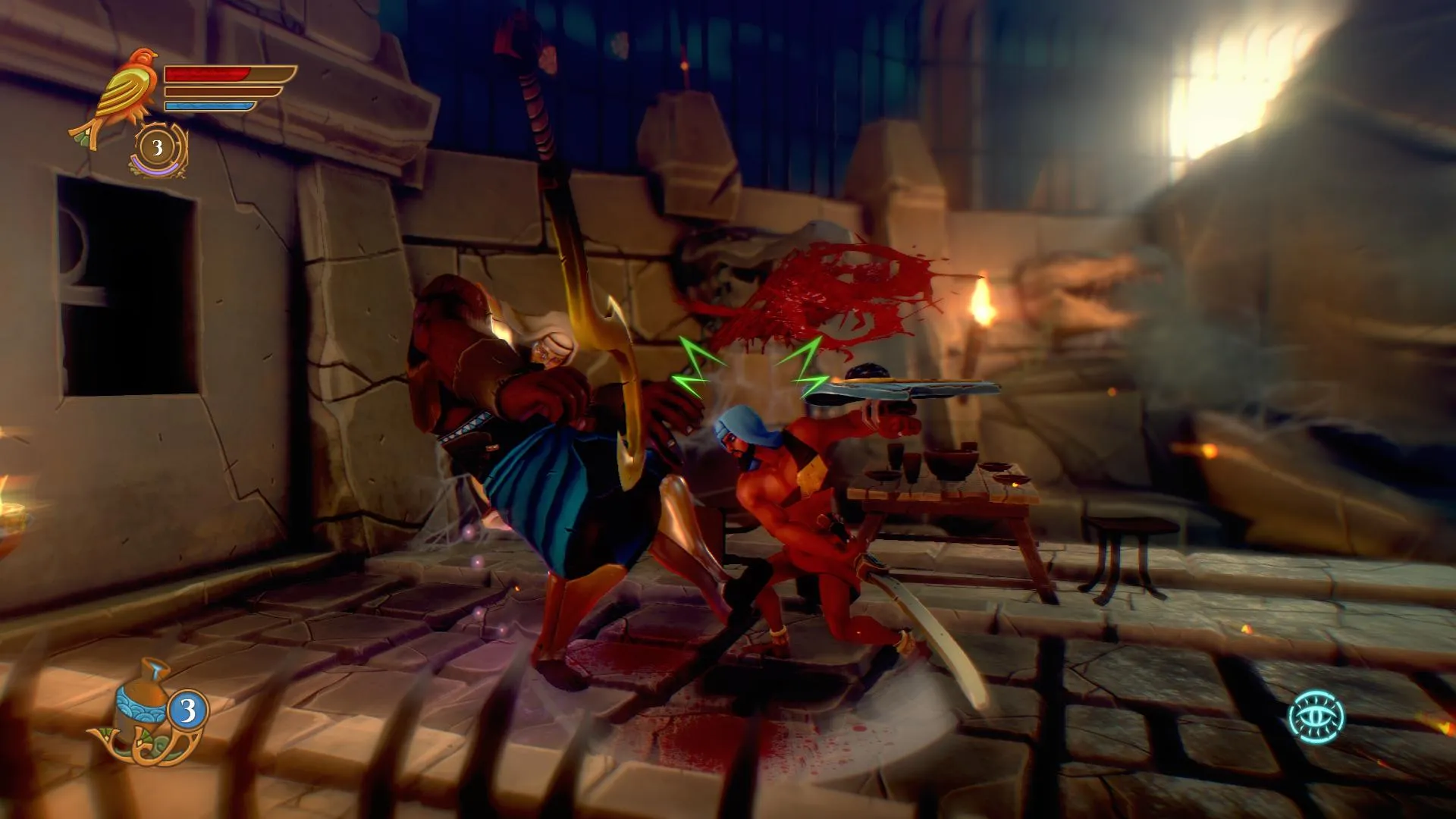
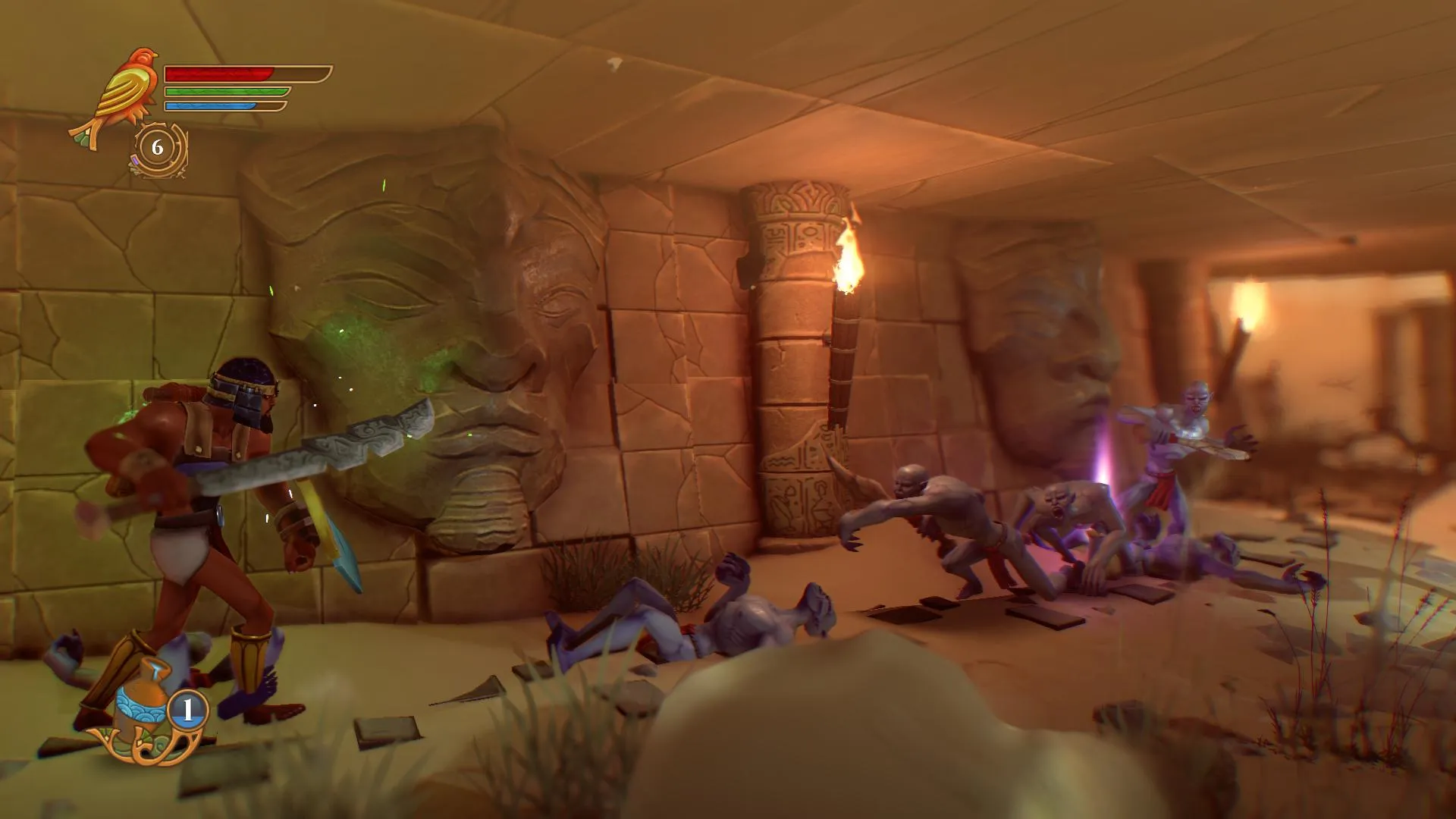
Two dimensions, no escape. Learn to use the whole horizontal screen or learn to die... It's a Soul after all 😏
The thirsty Greek. There's an NPC who greets you with: "Do you understand my language, southerner? For the love of Athena, give me a sip of water and I shall reward you." He's identified as an Achaean — a Mycenaean Greek.
And the Achaeans are precisely one of the peoples that Egyptian sources associate with the Sea Peoples.
That's not a random NPC. That's a stranded invader.
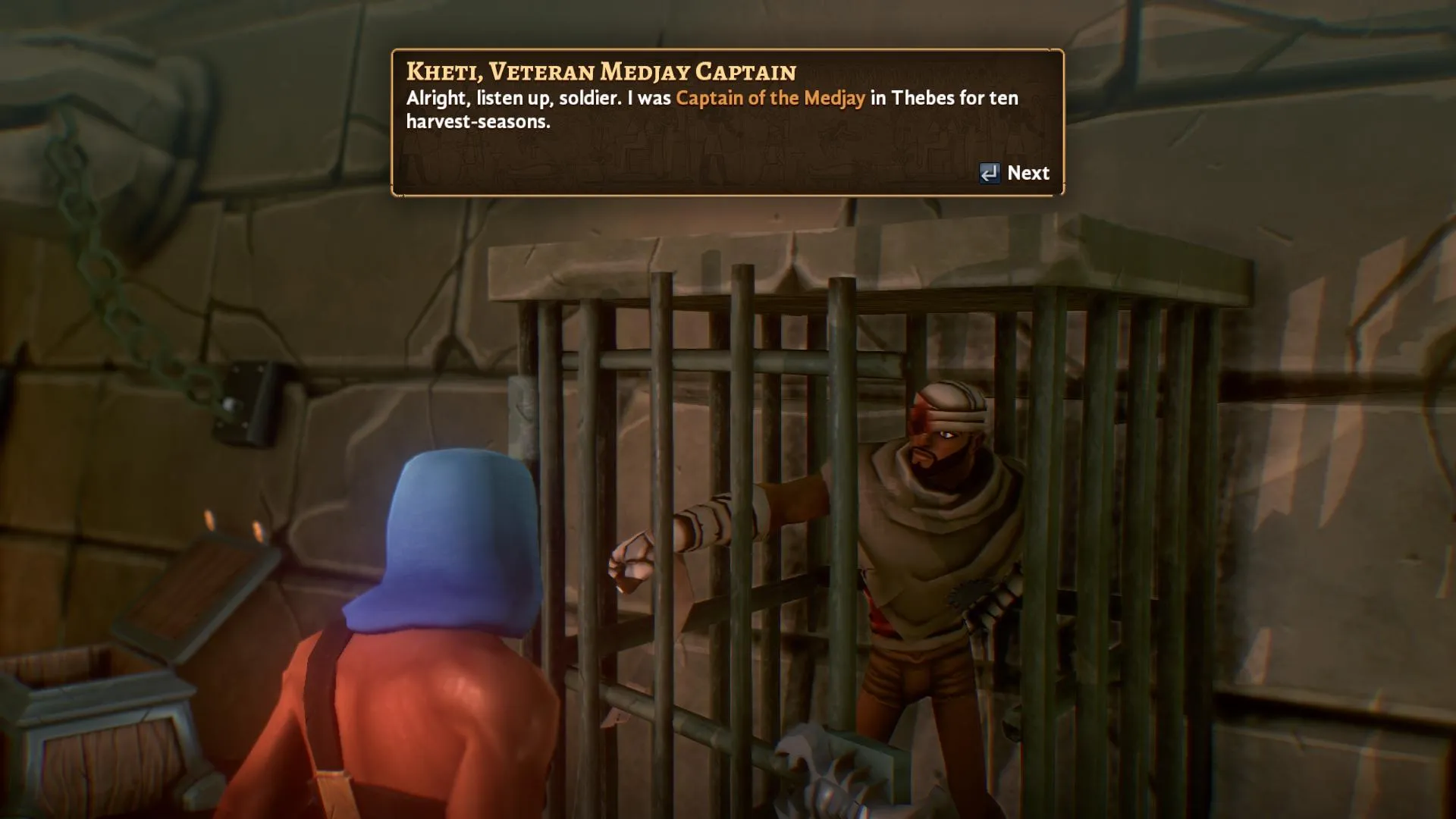
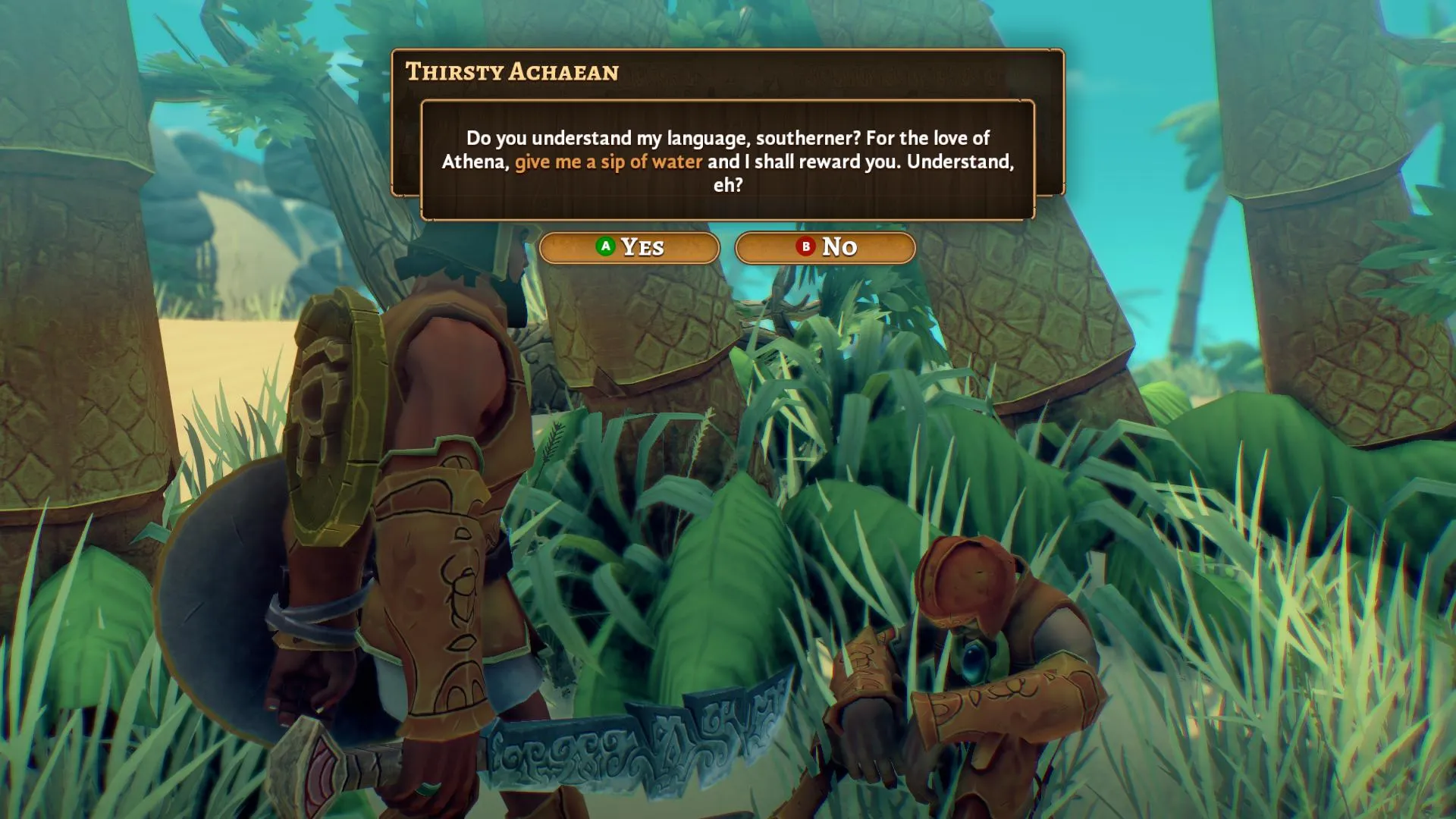
Medjay captains and stranded Greeks. This is Egypt in the year everything fell apart.
The Medjay. Elsewhere you meet Kheti, Veteran Medjay Captain, who tells you he was "Captain of the Medjay in Thebes for ten harvest-seasons". The Medjay were a real elite scouting and policing force in Ancient Egypt, originally of Nubian origin. Milkstone didn't invent a name that sounded good — they used the actual institution.
Same goes for the equipment: that Khopesh you can buy and sell is the genuine Egyptian sickle-sword. And the Sacrificial Dungeons are built inside a former Temple of Serket, the scorpion goddess — hence the scorpion carvings all over the walls.
To be fair, the game plays loose with the timeline: the real Ahmose I founded the 18th Dynasty around 1550 BC, three centuries before the Sea Peoples showed up. Steam tags the game "Alternate History" and one forum reviewer put it best — Milkstone were going for "Hollywood Egypt" rather than a documentary. Which, for a game about killing a tyrant with a bronze sword, is absolutely the right call.
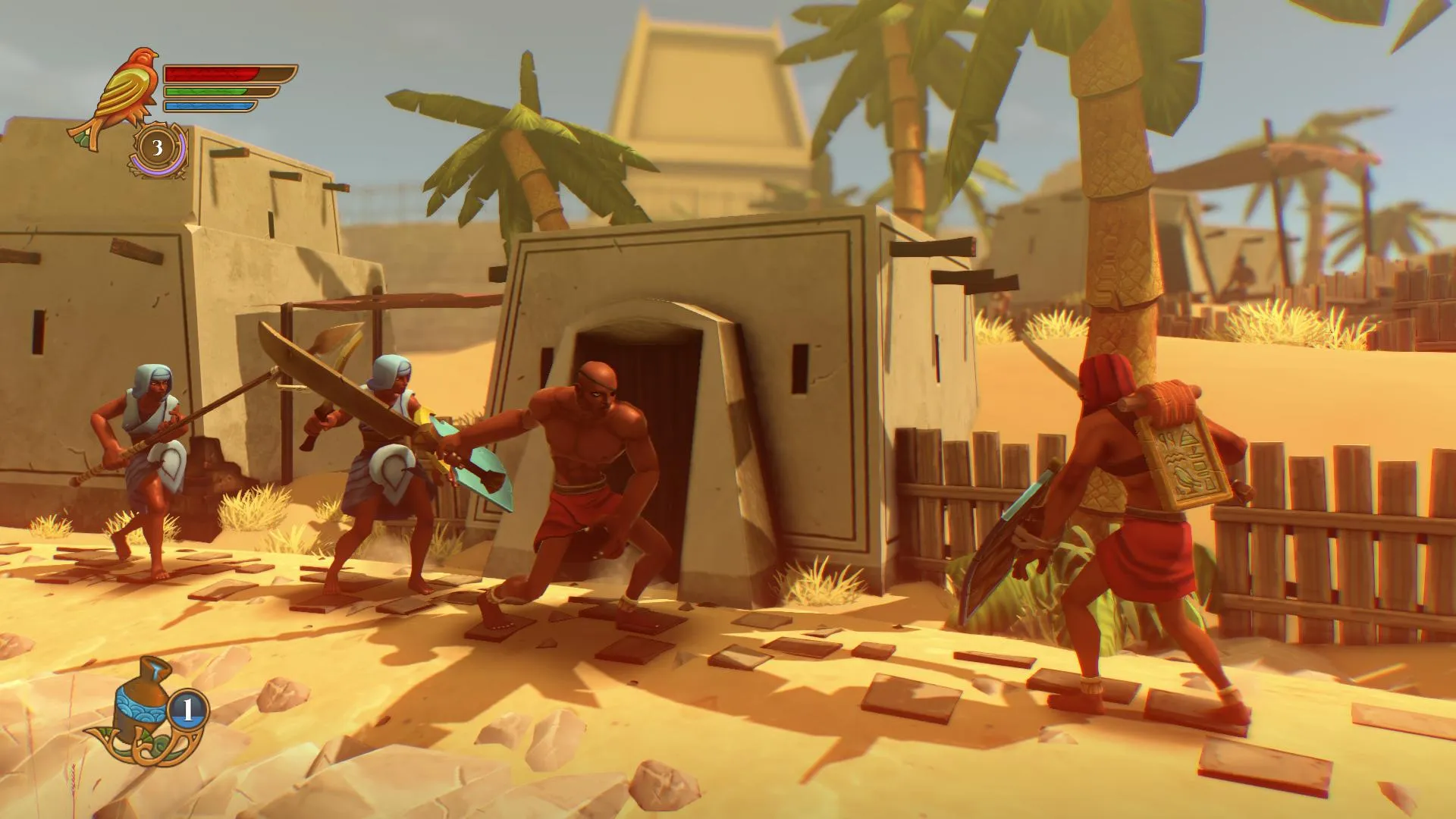
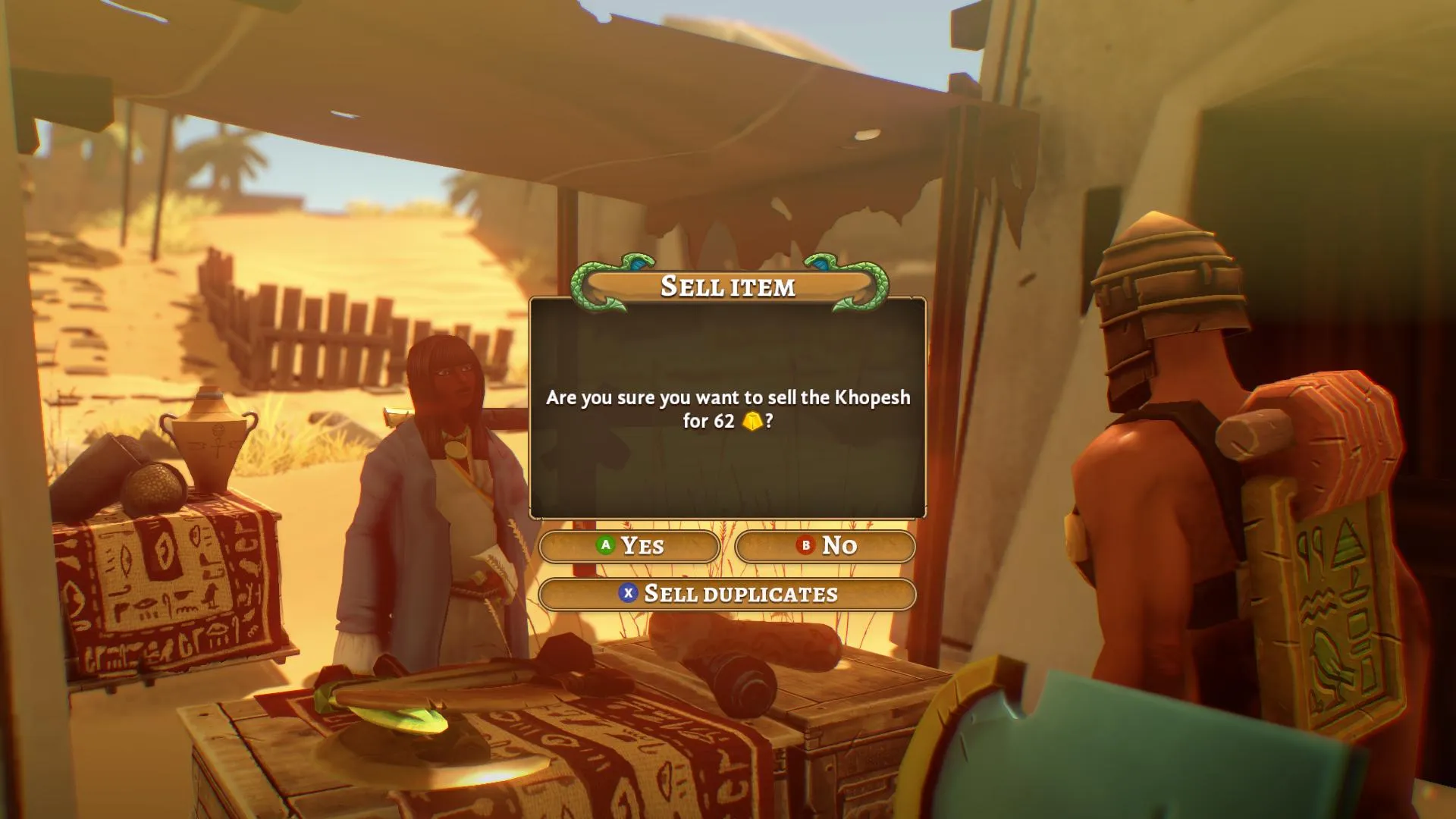
Sunlit villages are full of dangers at every turn, so let's take a pause at the local merchant
A True Souls Alternative
Pharaonic is shorter than a Dark Souls, and of course it isn't the same price
— around 15-20€ last I checked. But it has everything a Dark Souls player could ask for:
- Maps with secondary objectives
- Plenty of enemies standing between you and anywhere
- Skills to train, better gear to hunt down
- NPCs to talk to, merchants to buy and sell with
- Attacking at the right moment, dodging the next
And of course, big bosses to take down — and just like in Dark Souls, they pack an enormous punch. They even get the full treatment: name and title splashed across the screen, like THE WARDEN, Tyrant of the Sacrificial Dungeons.
There's also a smart twist on the checkpoint: certain locations require you to survive 2 to 4 waves of enemies before you can push further. And if you retreat in the heat of battle, you have to redo the whole thing. You can't clear the first two waves, wander off, and come back to mop up later 😅
One detail worth knowing that I never explained properly: the skill system isn't built on attributes like Strength or Dexterity. It's built on equipment categories — Light Weapons, Heavy Weapons, Small Shields, Great Shields, Light Armour, Heavy Armour, Offensive Backpacks, Support Backpacks. Each one levels independently, and the game rewards specialising: "You can wield Heavy Weapons up to level 3 without penalties. You get a stamina bonus when using weapons of a lower level."
So your build isn't a stat spread — it's a declaration of what you intend to carry.
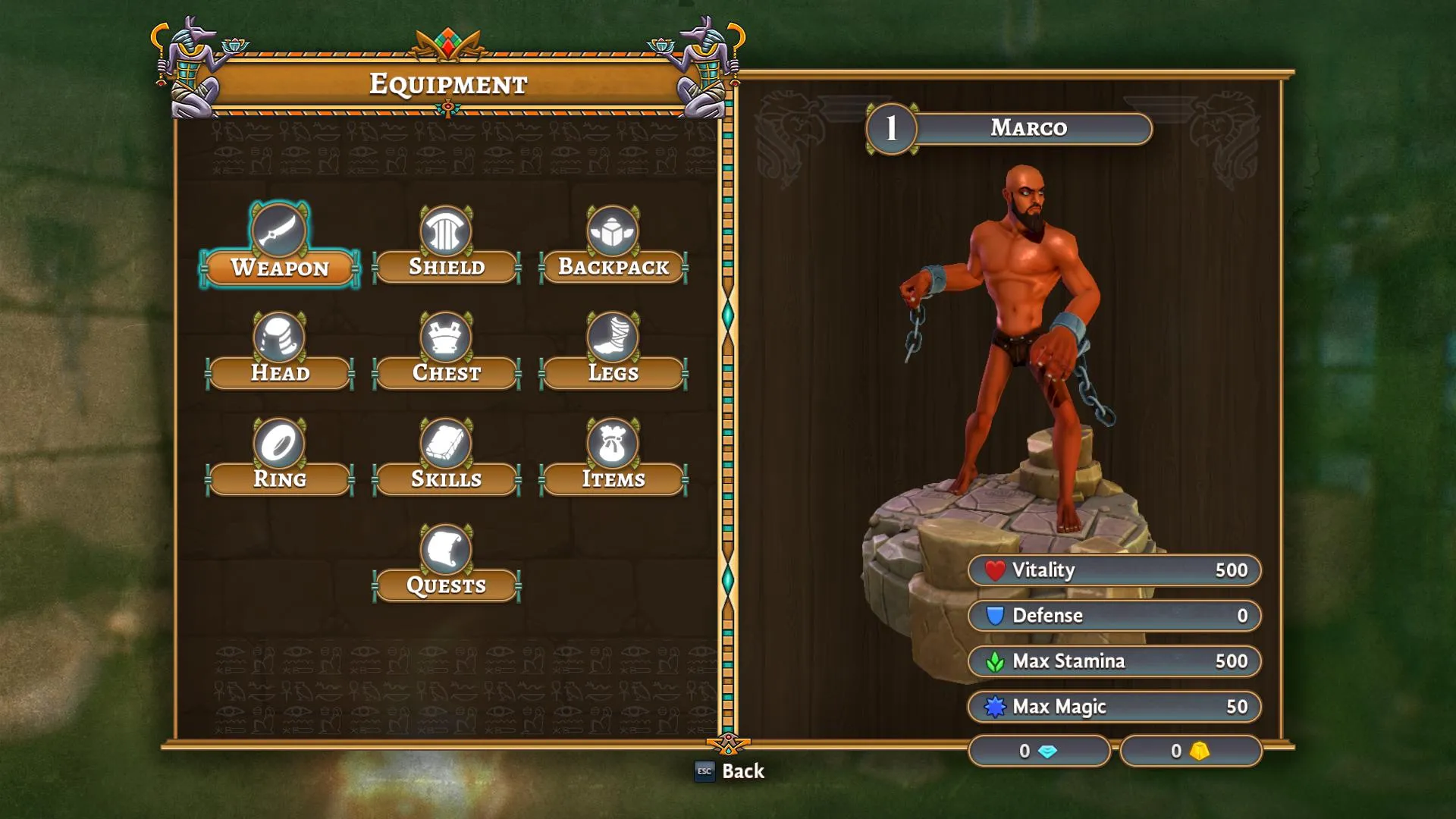
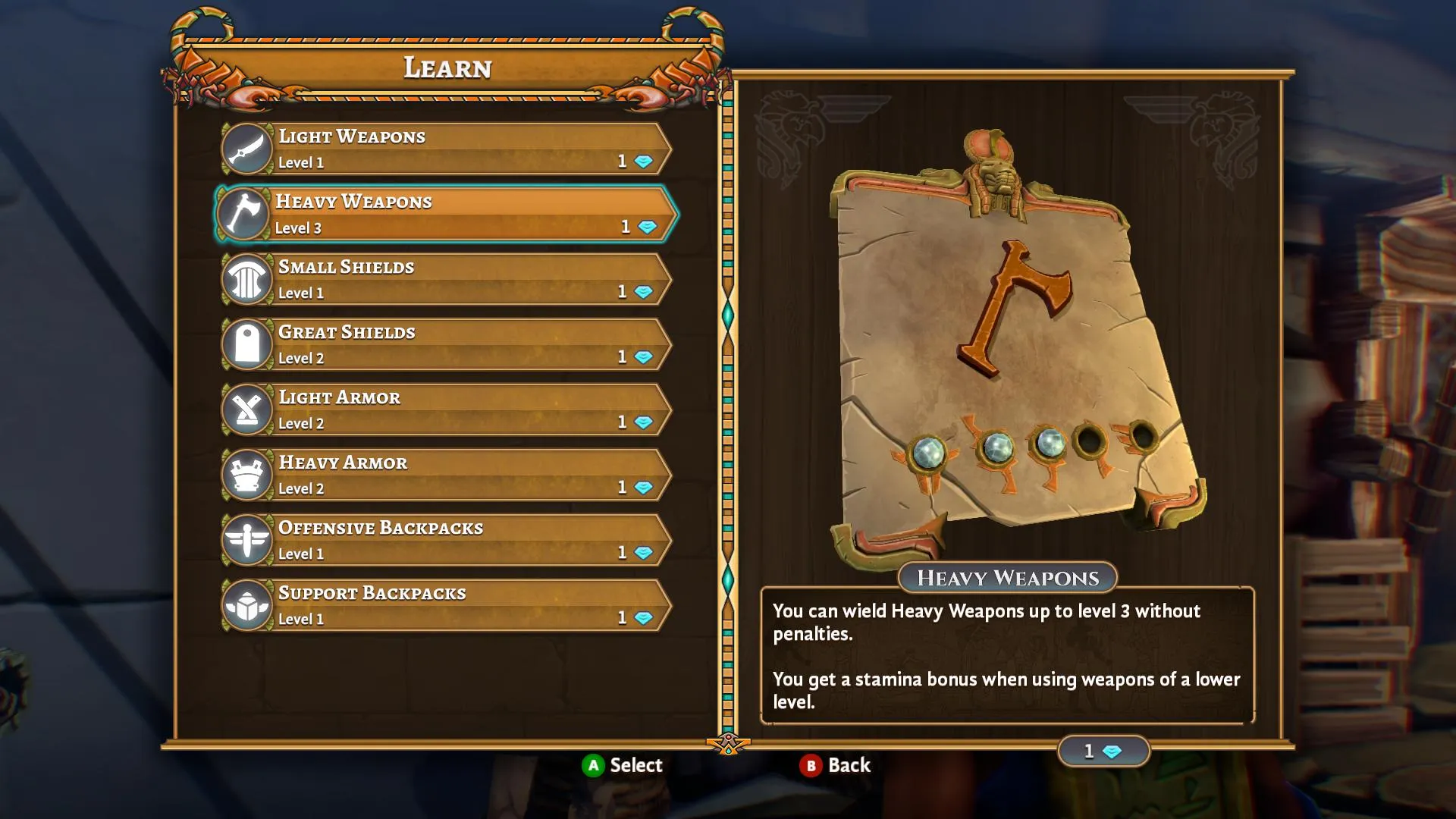
Your build isn't stats — it's what you can carry without penalty.

Any Level Limit?
Pharaonic is a short game, and it comes with a level cap of 28.
But don't worry: I grinded experience in every map I explored, and I only hit level 28 right before the very last boss. Trust me when I say that even a level 26 or 27 character can finish this game.
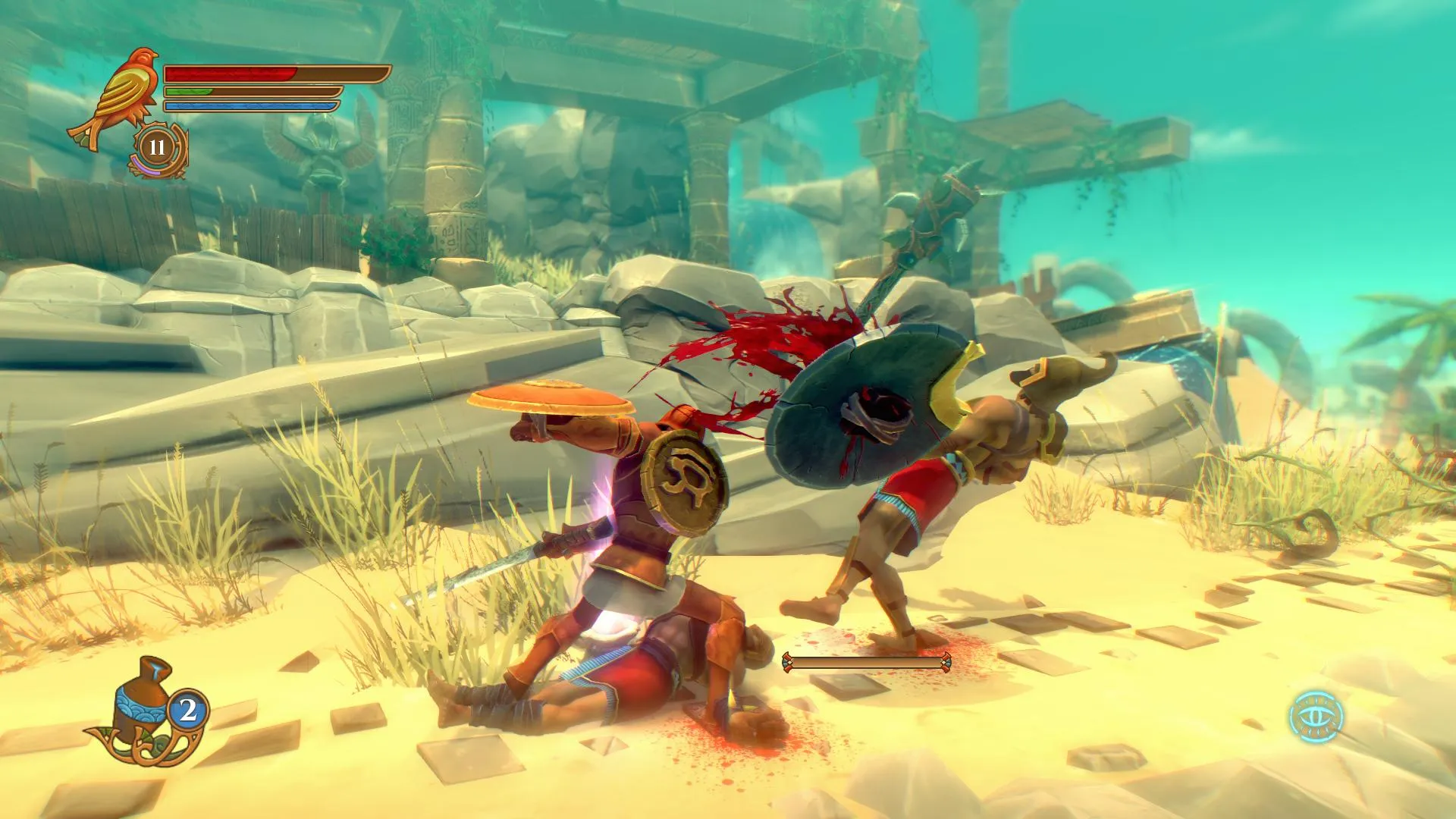
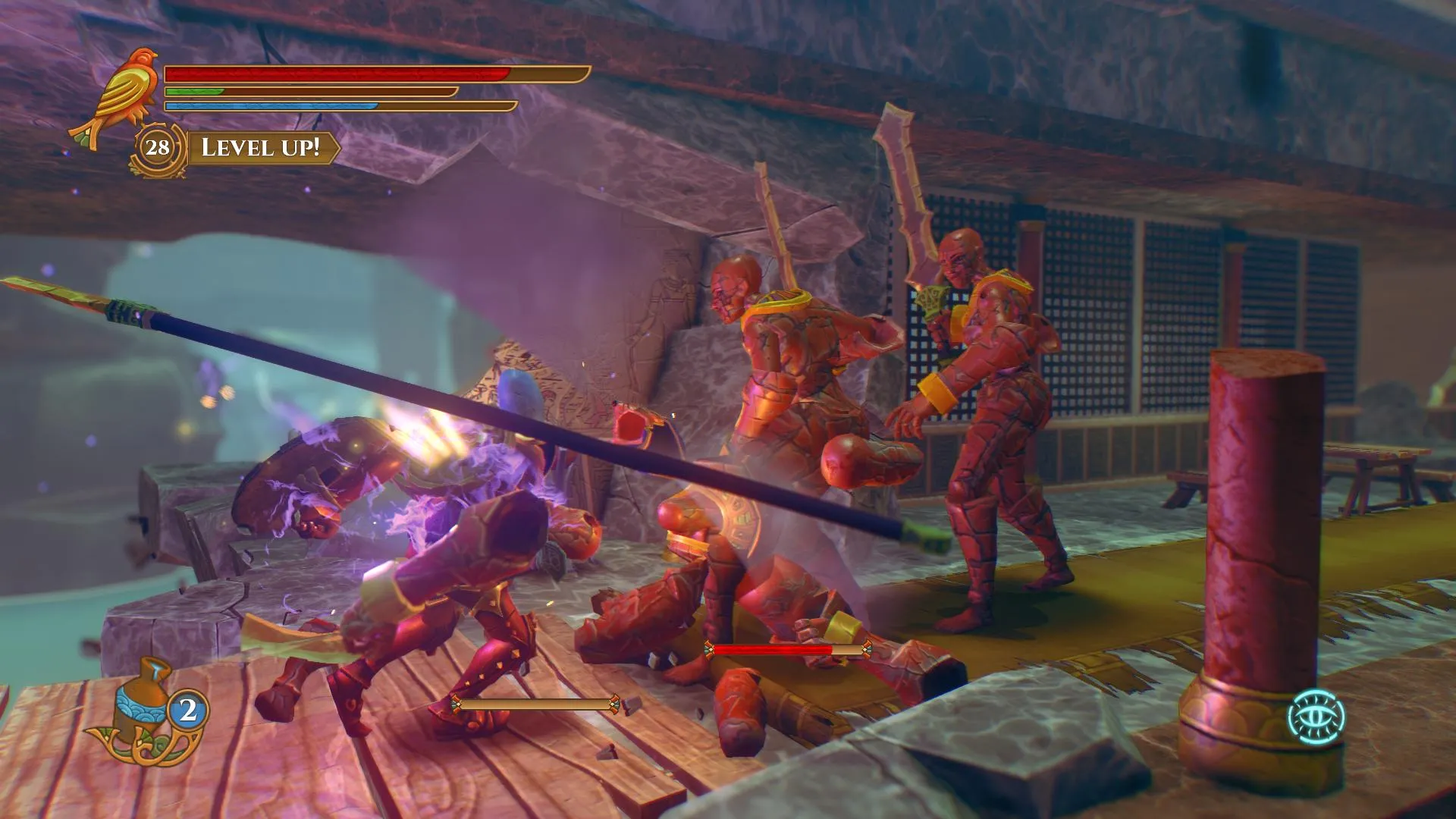
Despite the Sun, that's also one Bloody Dark Souls! And reaching level 28 in the lastest fights
They had to put a limit in place. Someone who spent hours grinding to level 30 would simply have ruined the challenge for themselves — and in a game this short, that would have gutted the whole experience.
As you can see across the screenshots, the game is beautifully crafted for an independent studio. So even if you're coming from the marvellous graphics of AAA games like Dark Souls, rest assured you won't feel like you're playing something old.
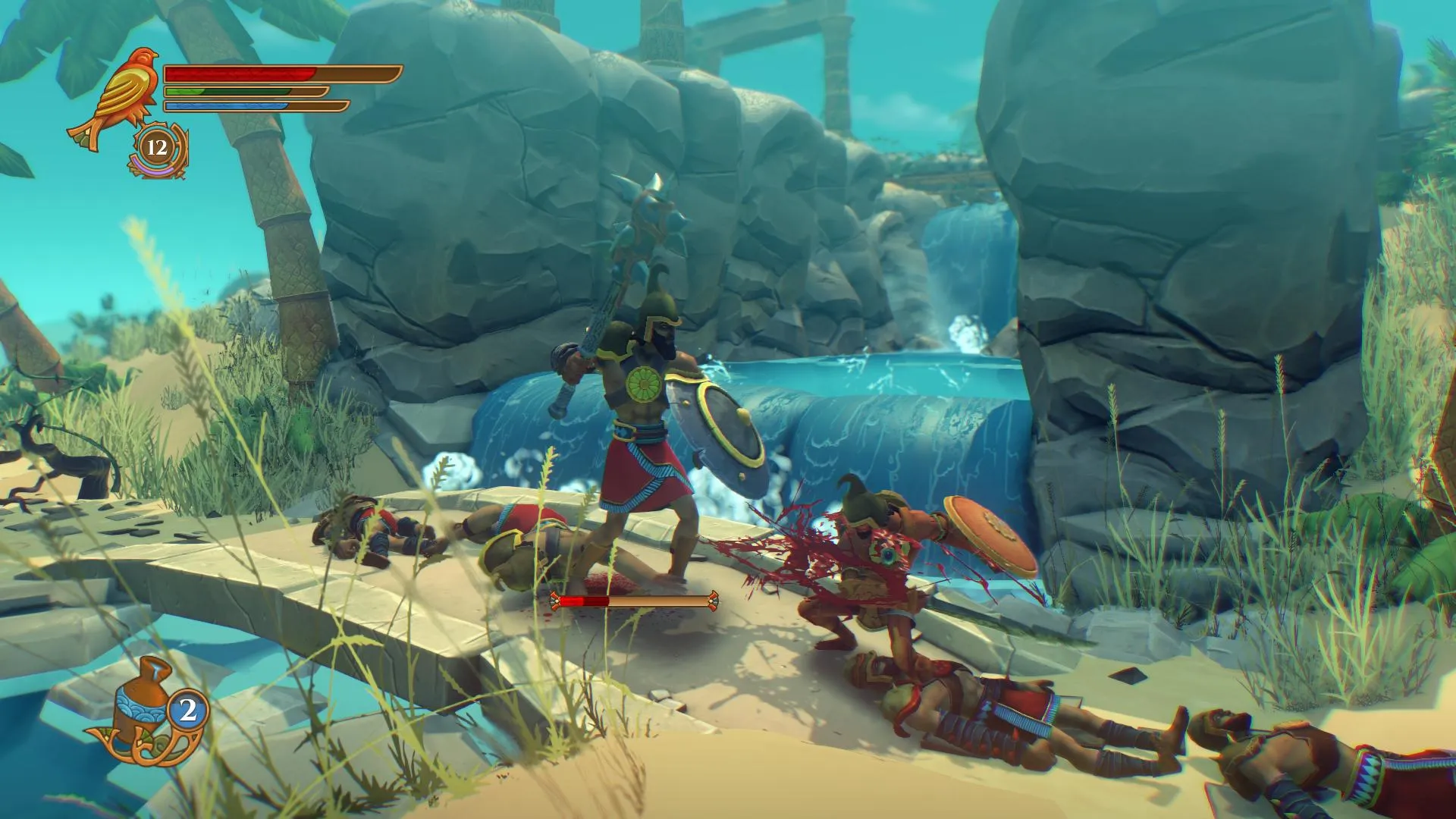
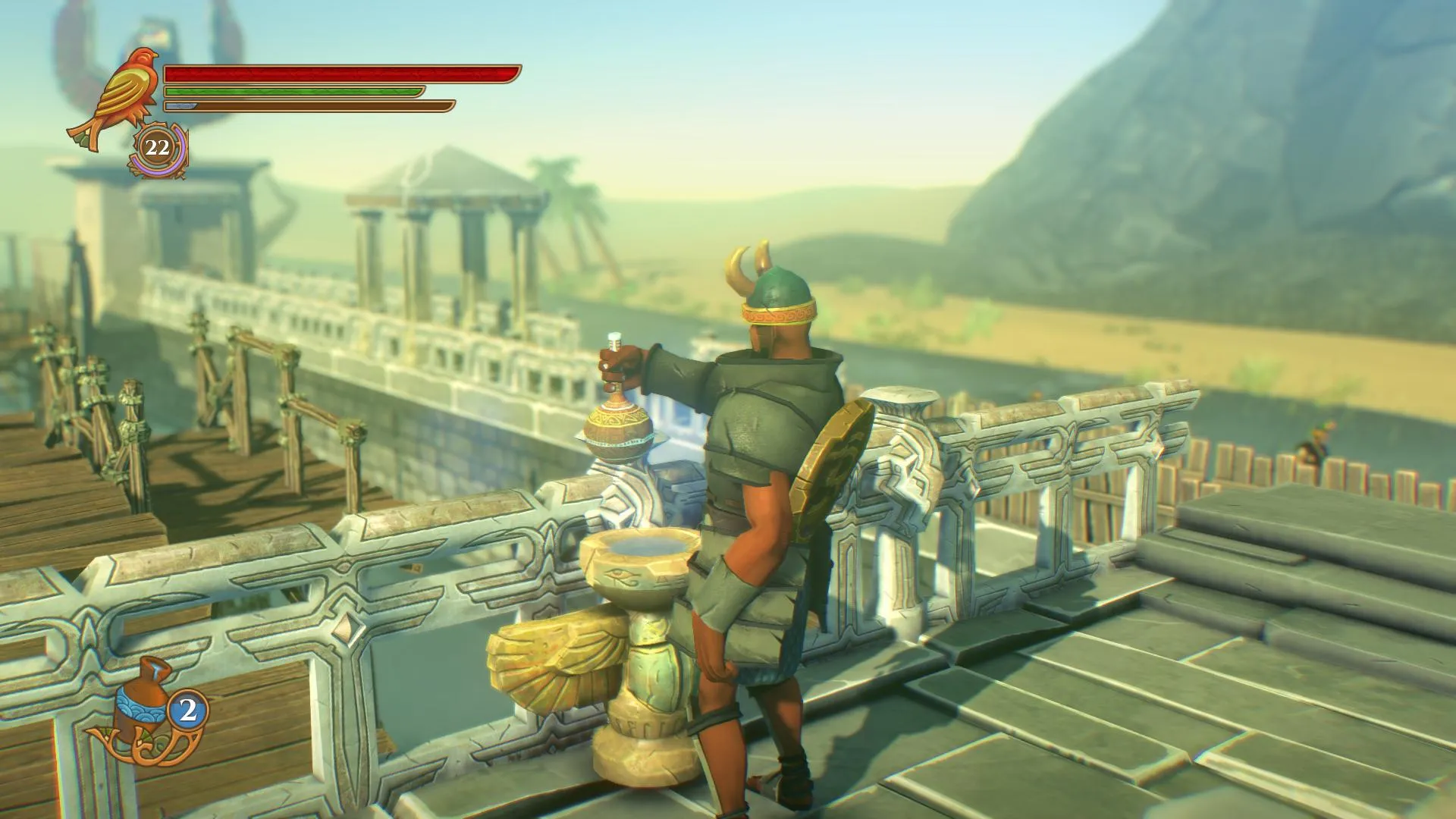
Ochre desert, turquoise oasis, violet magic, submerged blue ruins. The only Souls-like that isn't afraid of colour.
Where It Falls Short (and Why That's Fair)
I loved this game, and I've made no secret of it. But I'd be doing you a disservice if I didn't mention the two criticisms every reviewer raised — because they're both fair.
- The level design suffers from the flat plane. As one reviewer put it: "due to the limitations of the 2D plane, levels are essentially winding corridors that are very hard to keep track of where you are." That's precisely why the game sells you maps for each area — and why you'll want them.
- Judging distance is genuinely hard. "In the Souls games, the 3D view lets you see depth of field and the position of a weapon in the air quite easily. On a 2D plane, it's very difficult to gauge distance and depth, making it hard to get the timing down." Some of your deaths will feel like the game's fault. Some of them actually will be.
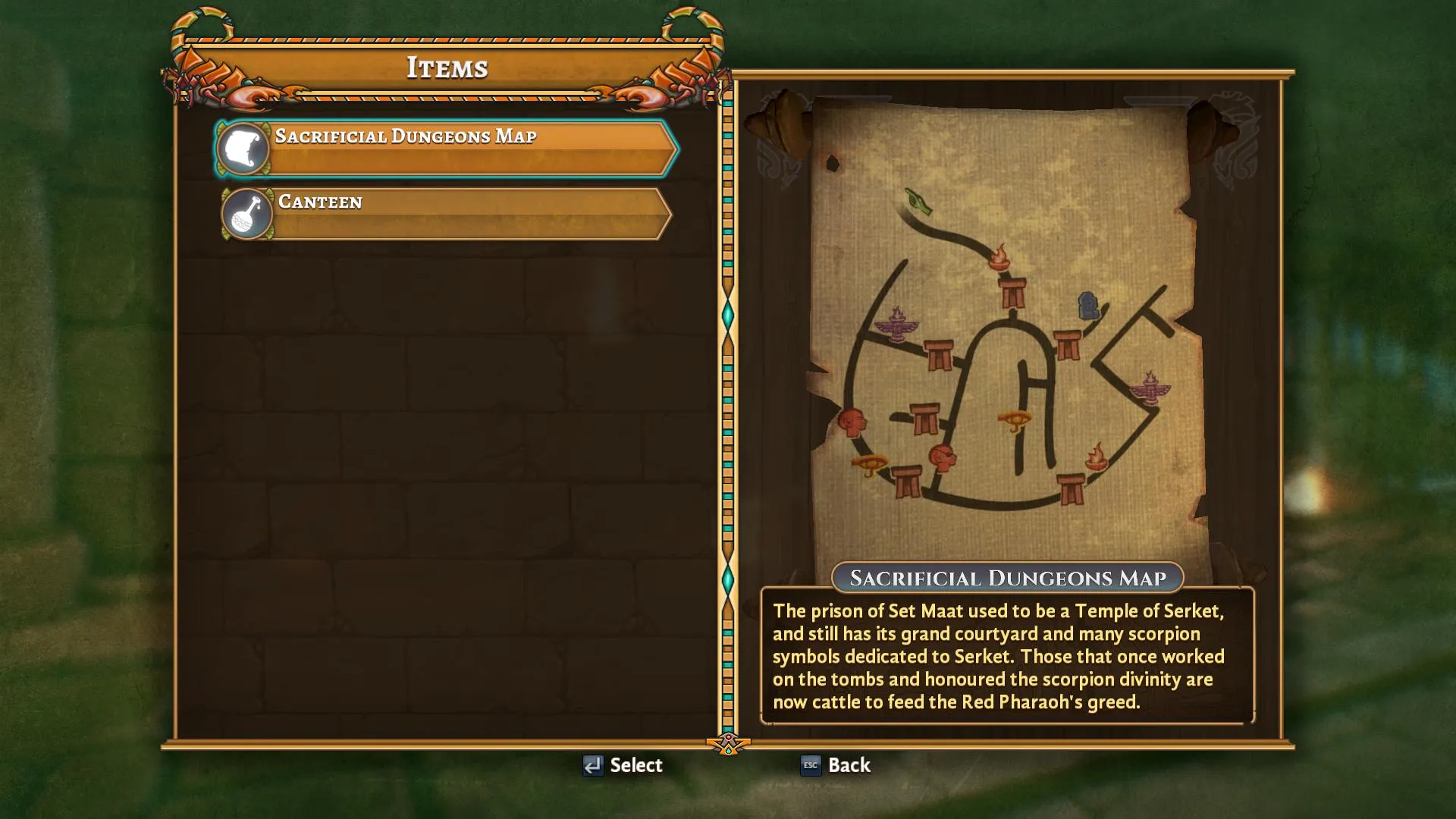
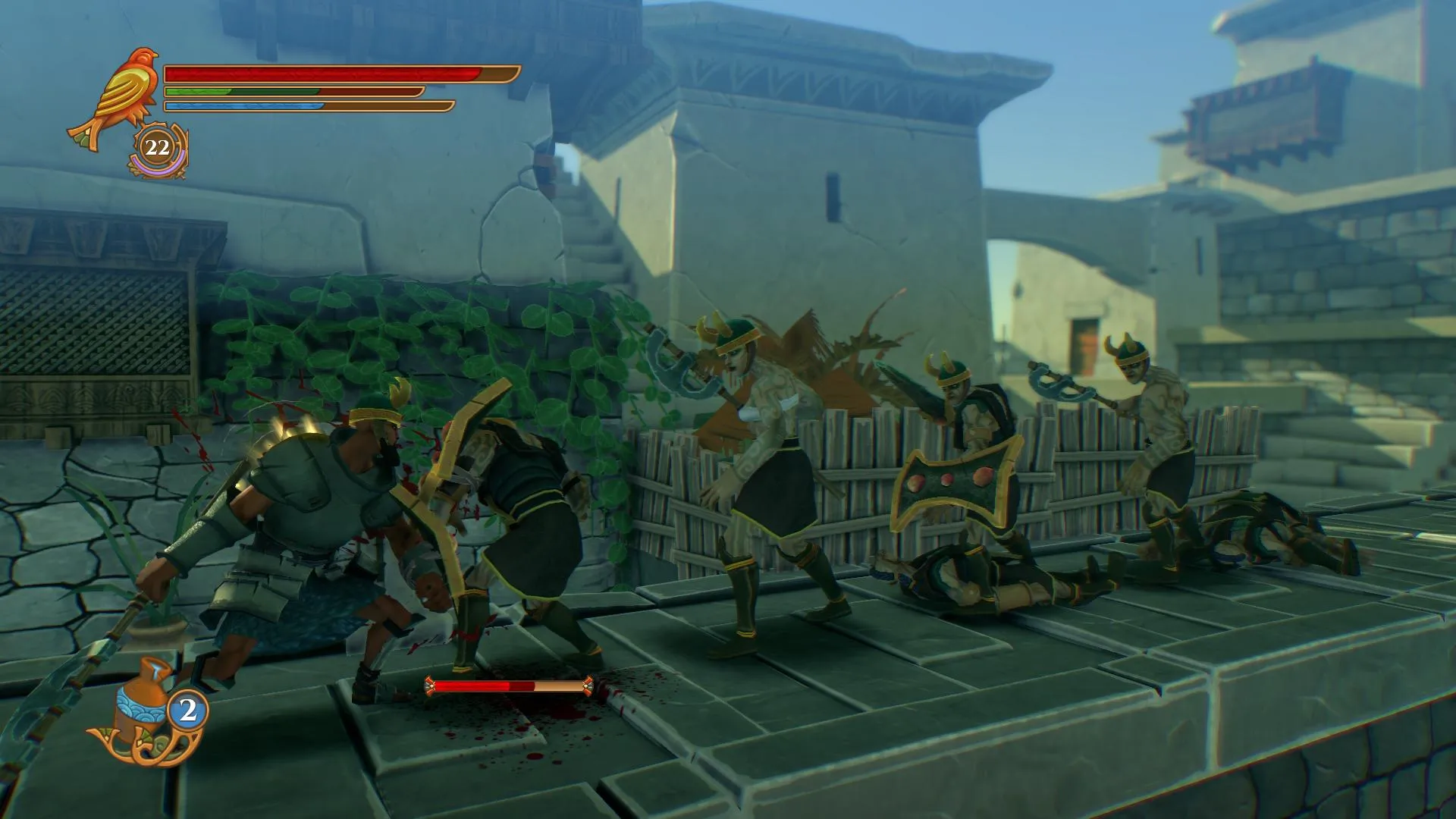
Buy the maps it's important to understand where you are, and you'll have to judge the distance of your enemies
Pharaonic sits at 77% positive across 246 Steam reviews — "Mostly Positive", not "Very Positive". Those two issues are the gap. I still think it's worth every cent, but you should walk in knowing what you're getting.
Conclusion: A Little Gem With Its Own Soul
Even if Pharaonic isn't as hard as Dark Souls, you will die many times 😉 And I strongly encourage you to try this little gem out — it has all the right ingredients of a genuinely unique action RPG.
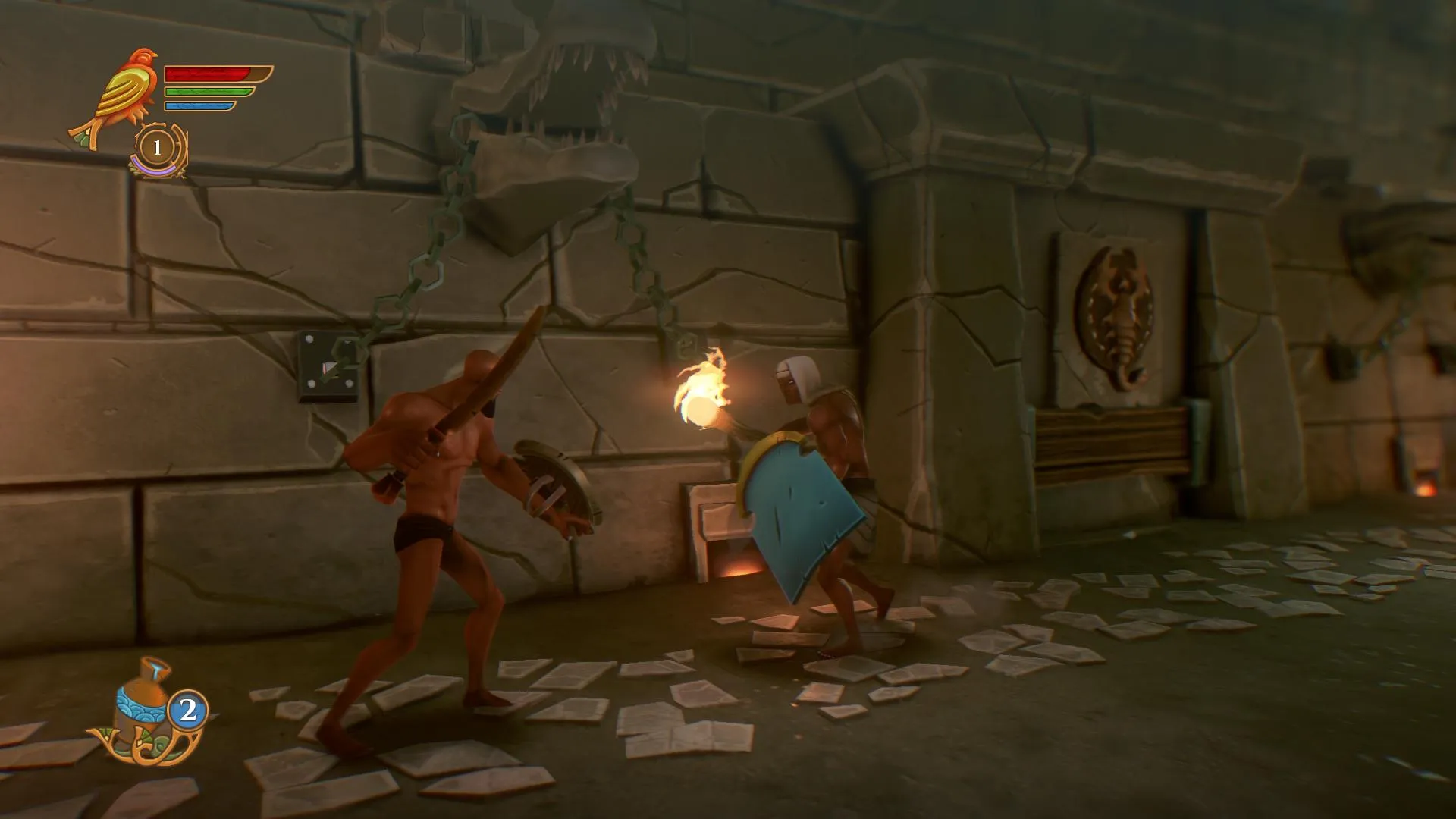
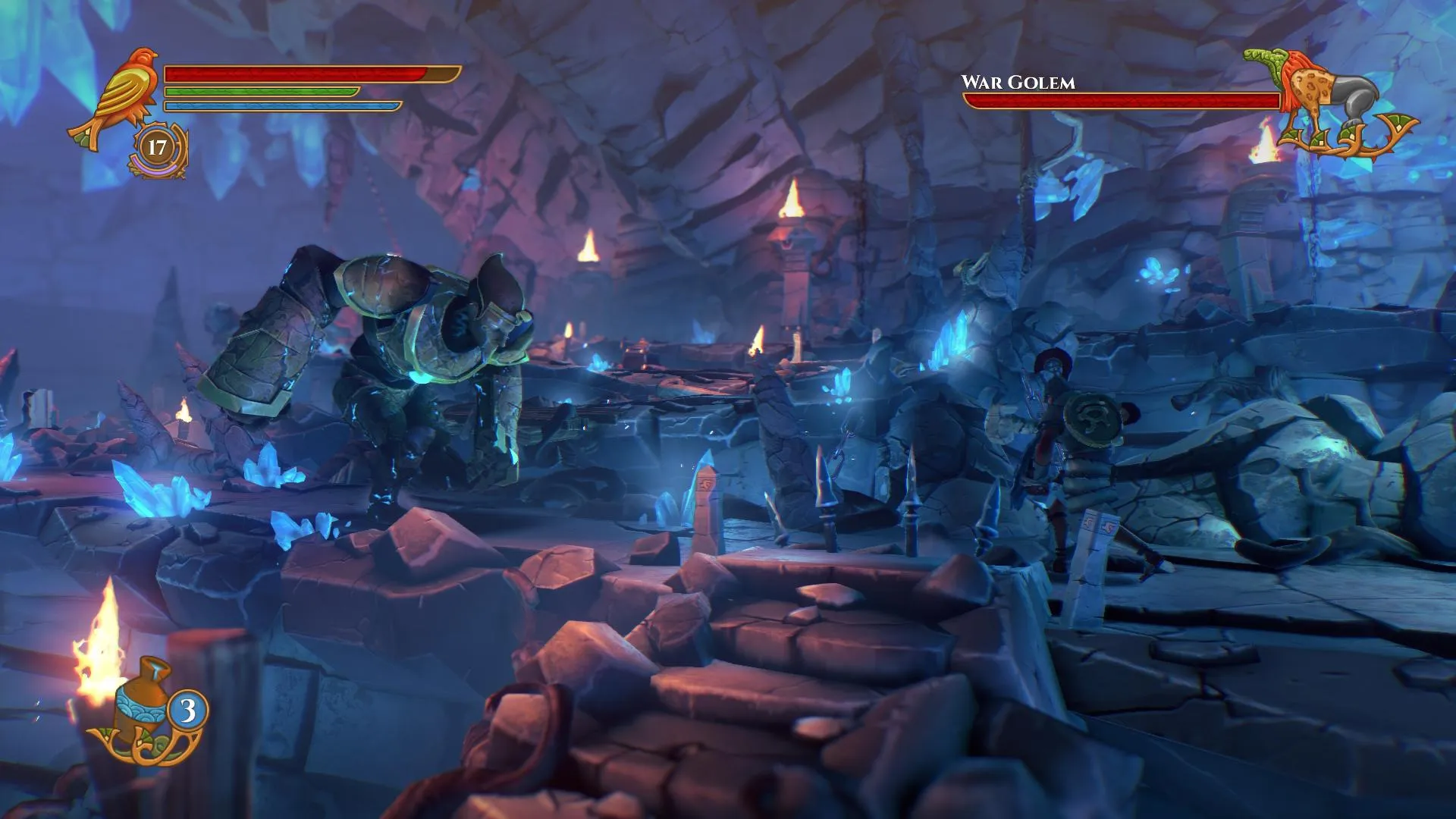
The little slave you are will free himself, free the land and prevail against the biggest foes!
It isn't simply copying the Dark Souls concept the way so many others did. Pharaonic has its own soul, and it's a real pleasure for the eyes.
I became aware of it while browsing Dark Souls alternatives on Steam. There are many games like this one that are genuinely good, but unfortunately — unless somebody tells you about them, you'll never know they exist. When there's this much competition in one niche, it's simple: either you have very good marketing, or you stay in the shadows.
Trust me. There are little gems out there I only discovered years after their release. That's more or less why this whole section of my site exists. The Hidden gems...

You Wanted Alternatives? Here They Are
For years I thought Pharaonic was one of a kind. Turns out I was half wrong — and half more right than I realised.
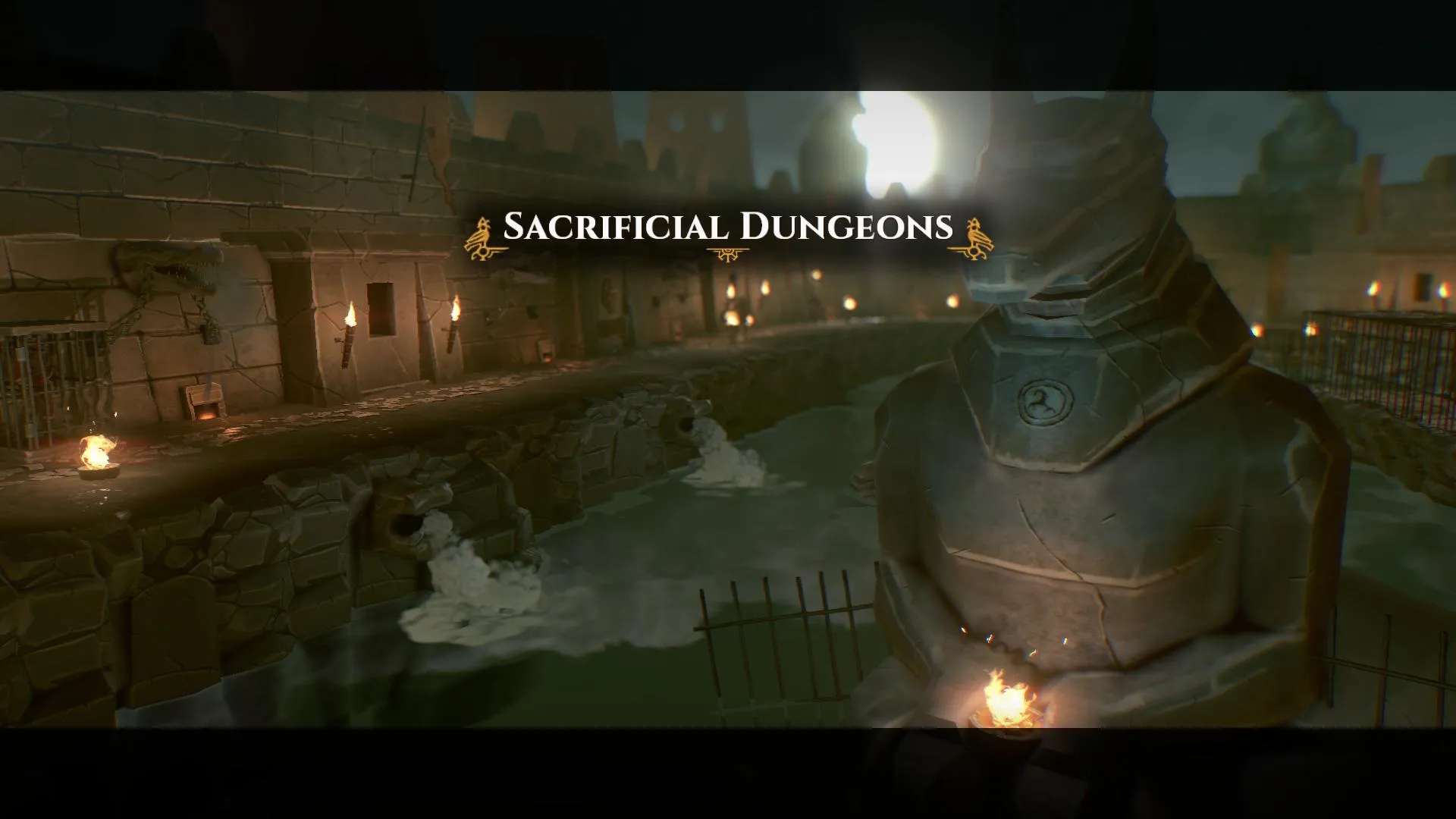
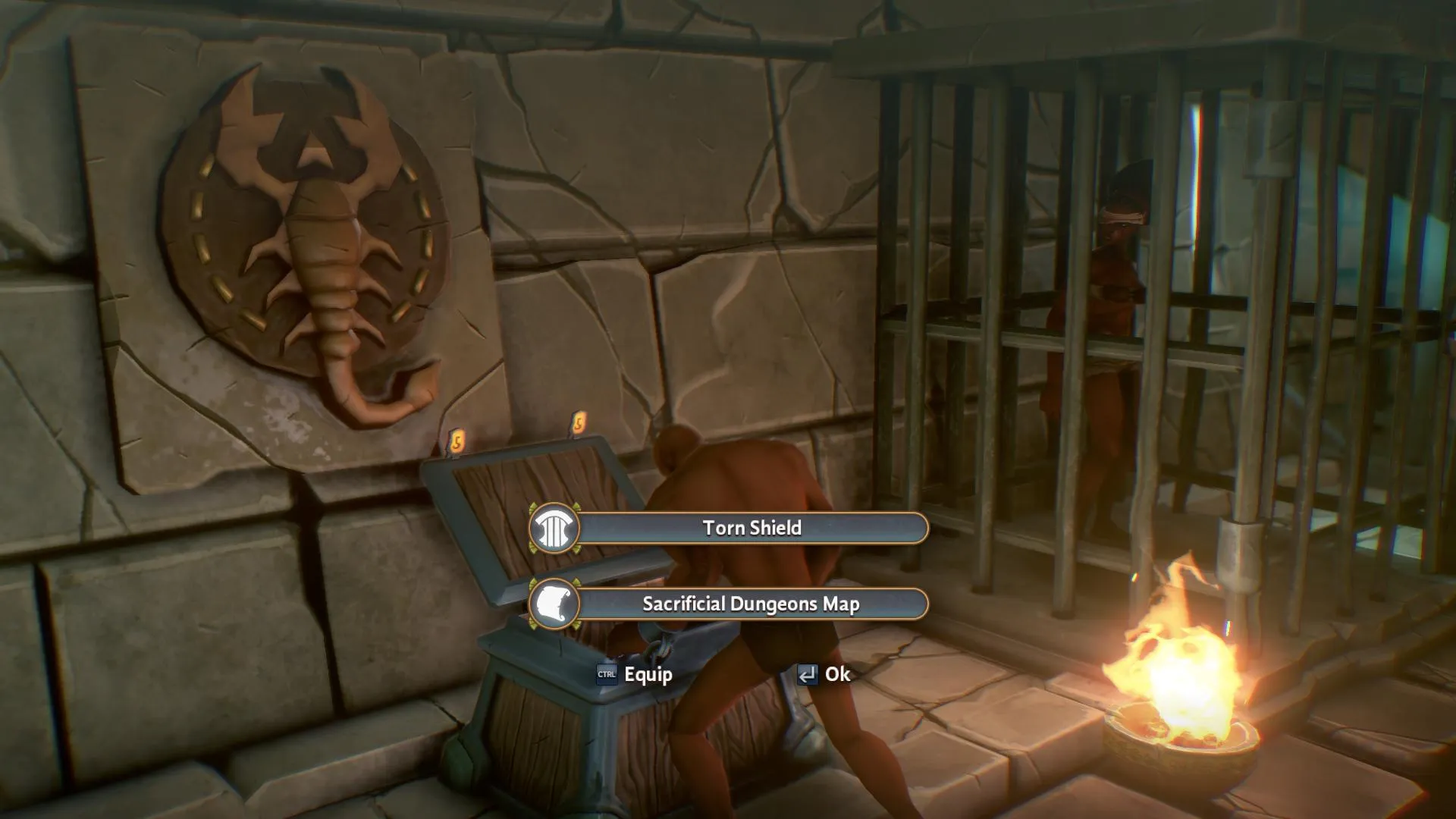
Actually... The very first level of Pharaonic was Dark 😅 Maybe not to discourage Pure Dark Souls fans 🤣
Where I was wrong: the 2D Souls-like is now an entire sub-genre. And the twist that genuinely surprised me
— Salt and Sanctuary came out in March 2016, one month before Pharaonic. It's widely considered the pioneer of the format, "the first to do it right". I was playing both founders of a genre without knowing it.
If you want more of this, in rough order of how close they are:
- Salt and Sanctuary — the absolute reference. Dark Souls in 2D, no compromises. Start here.
- Vigil: The Longest Night — often described as a 2D Bloodborne. Eternal night, eldritch horror.
- Death's Gambit: Afterlife — launched rough, then rebuilt by its devs over several years.
- Blasphemous 1 and 2 — gothic religious pixel art, brutal, and gorgeous.
- Moonscars, Dark Devotion, GRIME, The Last Faith, Ender Lilies, Nine Sols — all worth your time.
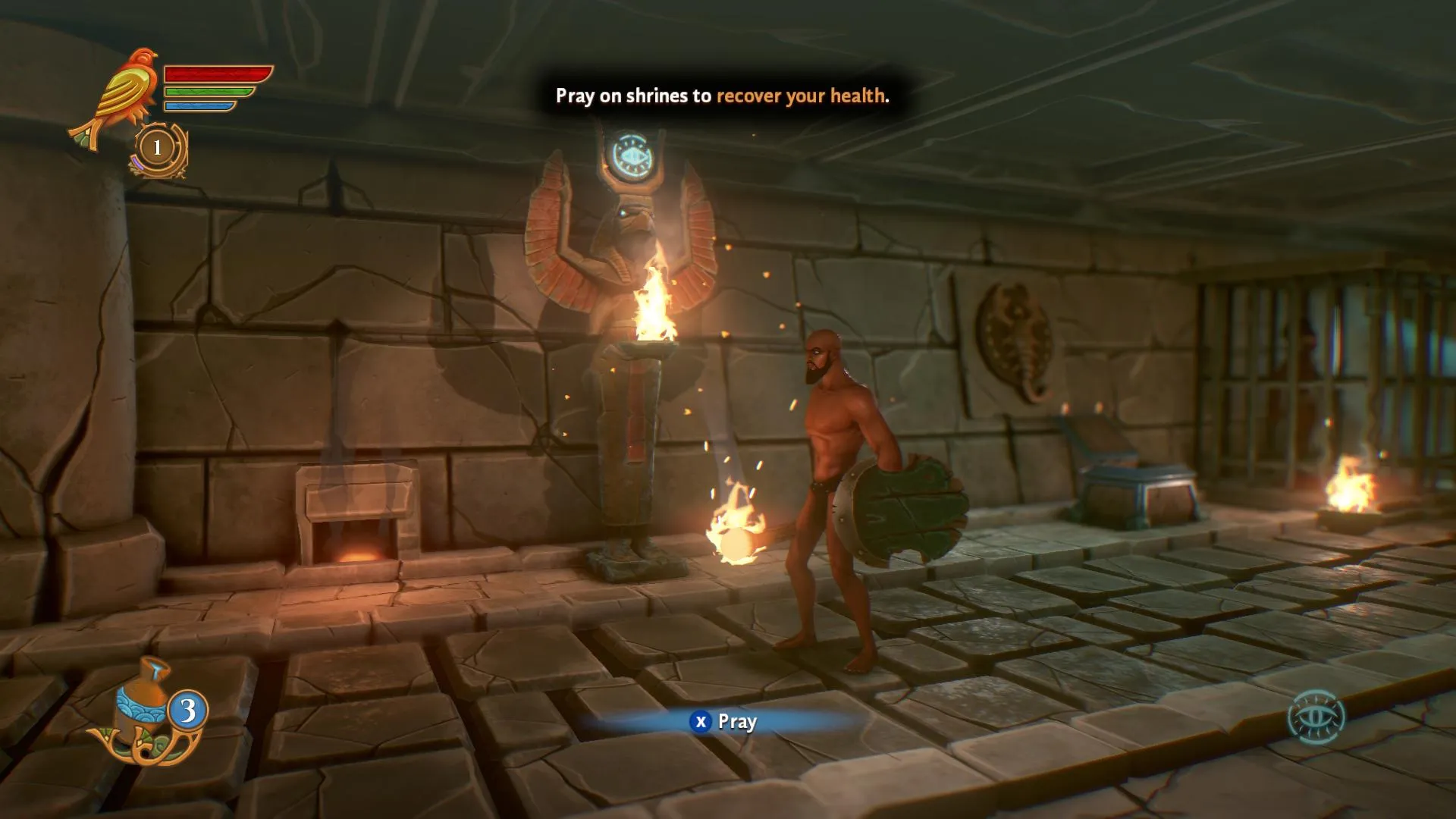
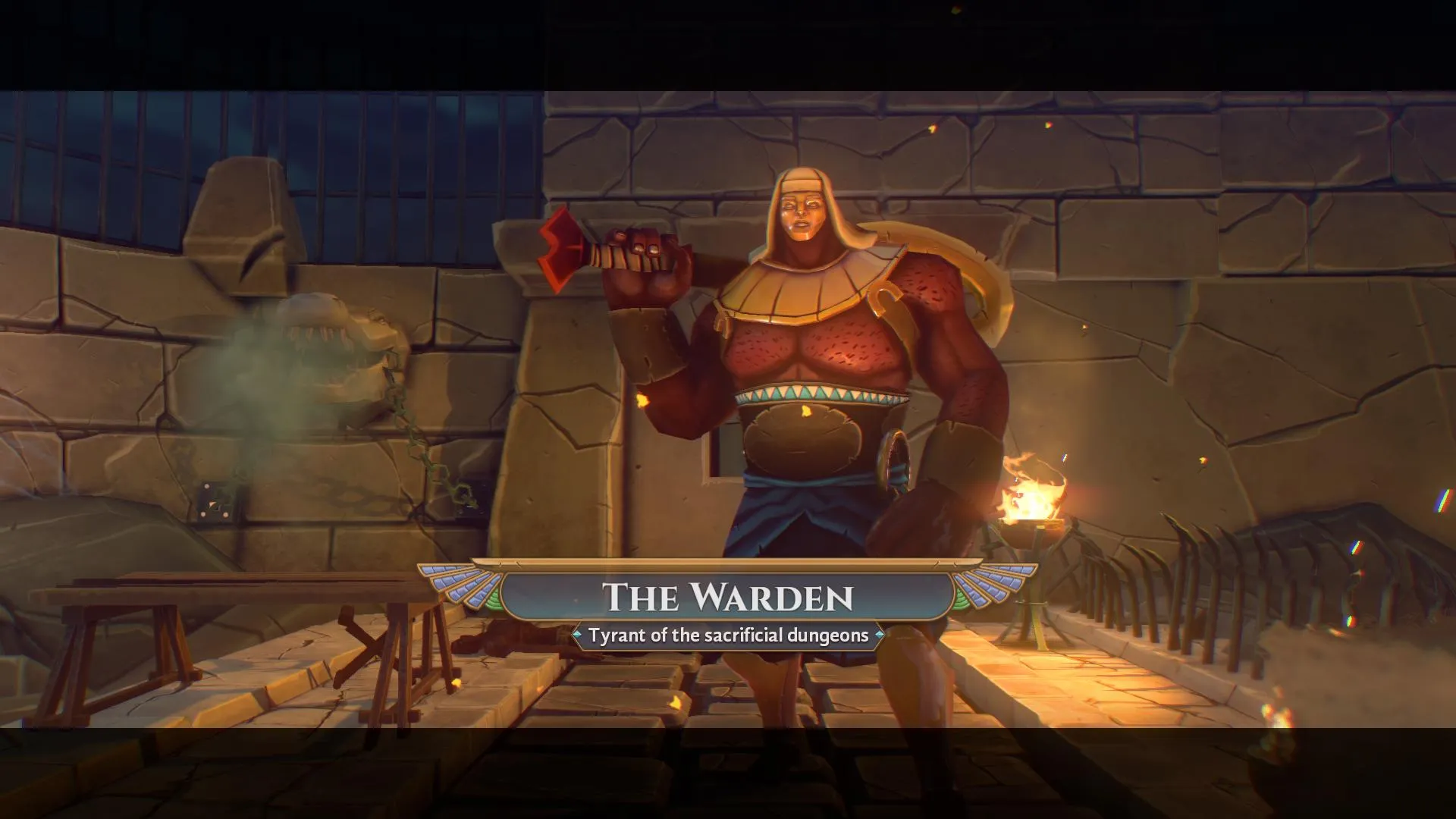
Souls Players will recognize the egyptian bonfire, and the announcement of your Dea... the next Boss! 😜
And where I was more right than I knew: not a single one of those games is set in Egypt. Every last one is gothic dark fantasy — crumbling European castles, perpetual night, grey on grey. One reviewer nailed why Pharaonic stands out: "Normally when you're playing a hack and slash this difficult, it takes place in some dingy European castle. Pharaonic however takes place in Egypt, lending itself to sunny skies and the occasional green palm tree and/or oasis."
Ten years later, Pharaonic is still the only Souls-like that lets you fight in the sunshine.
That "something unique" I couldn't put my finger on? It was the light. 🌞
What Happened to Milkstone Studios
My 2021 update said there'd be no sequel because the sales were low. That part was right.
But what the studio did next is far more entertaining than I expected...
First, some context I didn't have back then: Pharaonic was entirely self-funded. No publisher, no Kickstarter. And before making an Egyptian Dark Souls, Milkstone's previous game was Ziggurat — a first-person roguelike shooter...
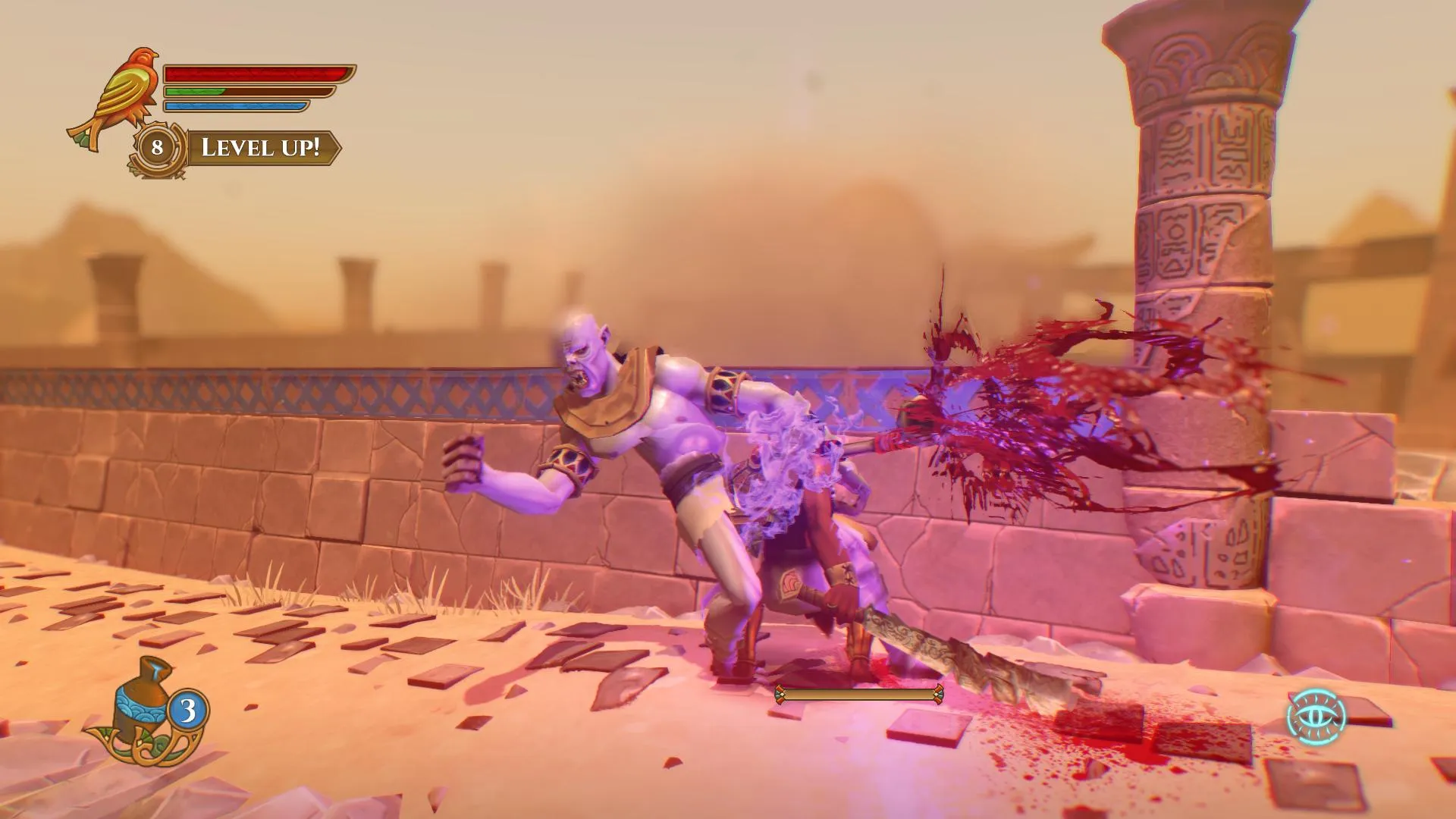
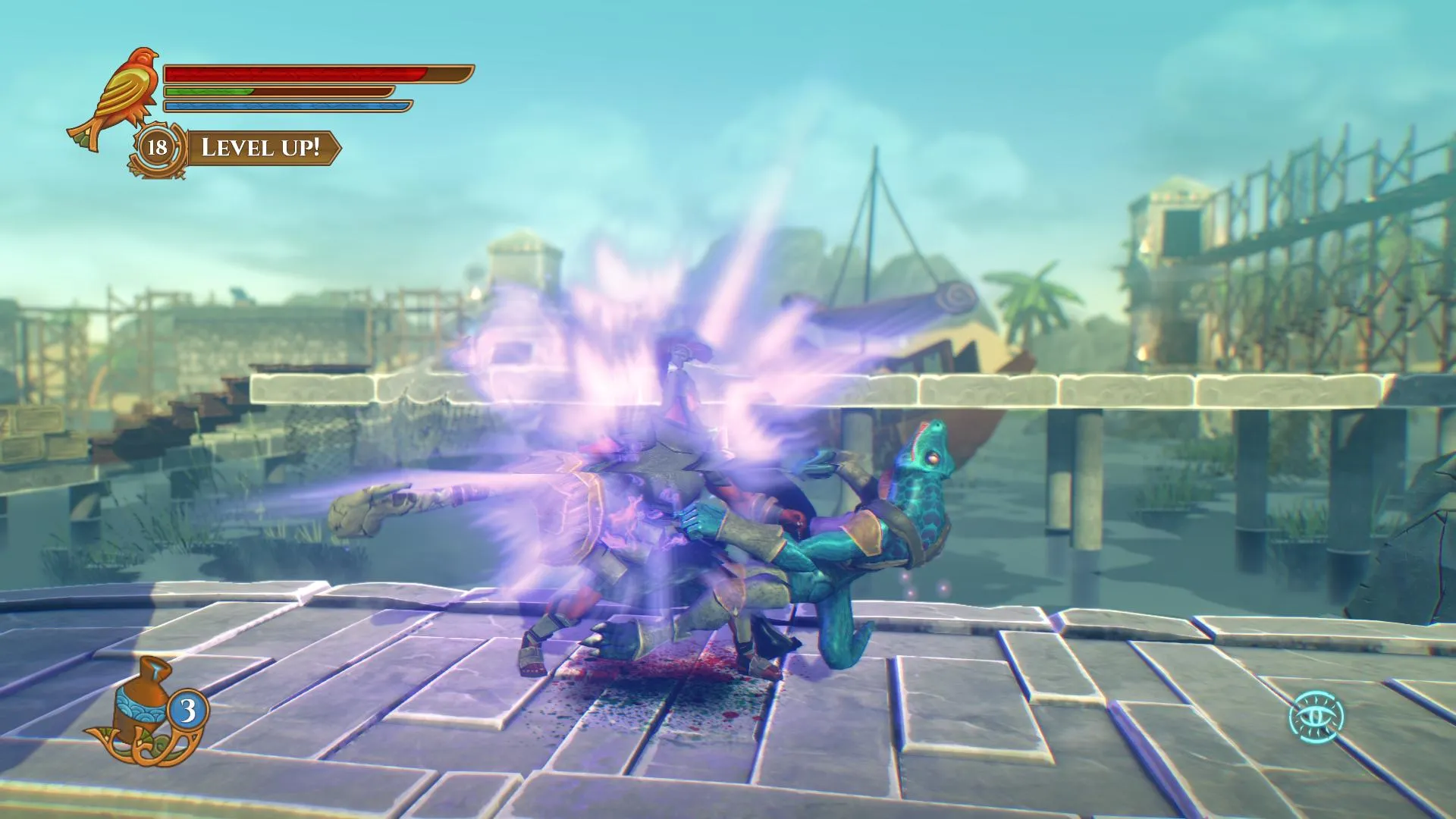
Killing and Leveling Up in Paradisiac environments, that's why this Souls like is different from the others!
So what does a studio that made an FPS roguelike, then a brutal 2D Souls-like, do for an encore?
Farming games. 🌾
Milkstone are alive and well, and their catalogue today includes Farm Together and Farm Together 2 — gentle, relaxing, build-your-own-farm affairs — alongside Ziggurat 2, Army of Ruin and White Noise 2.
The studio that made me die countless times in an Egyptian dungeon now makes games about planting carrots. Honestly? Good for them. Farm Together did far better commercially than Pharaonic ever did, and that's how a small independent studio survives fifteen years.
So no, there'll never be a Pharaonic 2. But the people who made it are still making games, still self-publishing, still independent. In this series of articles, that counts as a happy ending.
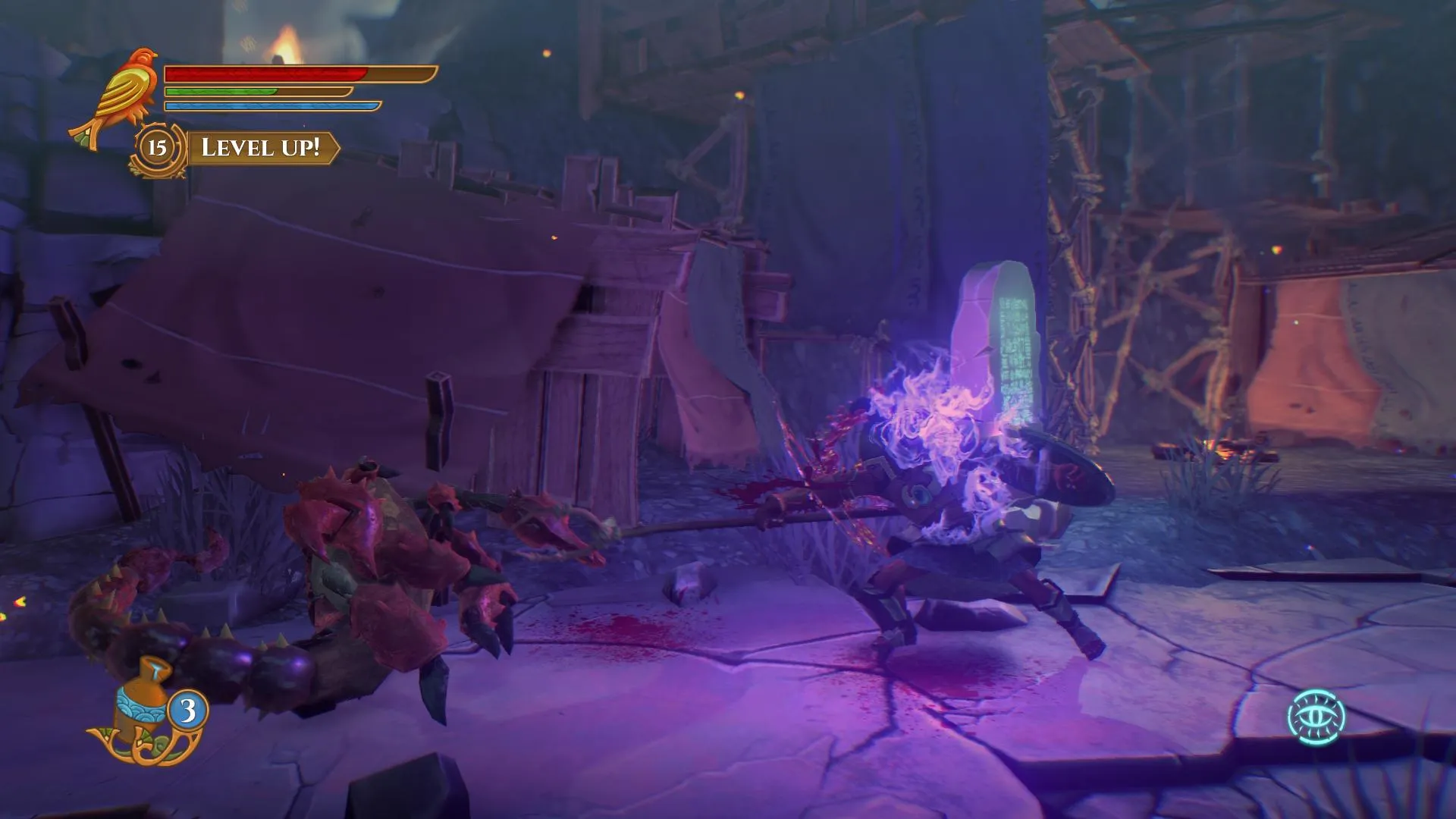
Pharaonic was too short to my taste, but i guess it will give me the envy to try the list of 2D Souls i listed previously.
Think I got it wrong? Prove it.
This is one gamer's take — not gospel. Agree, disagree, or think I completely missed the point? Drop your take in the comments below.
Leave Your Verdict in the Comment below ↓
Platform: PC (Steam), PS4, Xbox One, Switch, Linux, macOS
Released: April 28, 2016 · Engine: Unity · Self-published
Level cap: 28 — reached just before the final boss
Steam rating: 77% positive over 246 reviews
Setting: Egypt, circa 1200 BC, during the Sea Peoples invasion
%
Note on 100%
+ The only Souls-like set in Ancient Egypt — and the only sunlit one
+ Genuine historical grounding: Medjay, Achaeans, Khopesh, Serket
+ Wave-based checkpoints that punish retreating
+ A skill system built on what you carry, not on abstract stats
+ Beautifully crafted for a self-funded indie
- Levels are winding corridors — buy the maps, you'll need them
- Depth is hard to judge on a flat plane, and timing suffers
- Short, with a level cap of 28
- No sequel, and there never will be